


“Today, I learned how to make compost in the schoolyard and took part in some really fun games. I felt very happy and excited to discover new skills and knowledge that can help protect the environment. I want to share what I have learned with my friends at school and my family, so that we can all spread more green actions.”
- Thanh, a Grade 9 student at Yen Hoa Secondary School, said.
Thanh and her classmates had just taken part in an exchange session on organic composting. The lesson started with things they encounter every day: a vegetable peel, a scrap of paper or a handful of dry leaves. But from there, Thanh and her classmates discovered a much bigger story - one about food, the environment and how each of us can contribute to change.
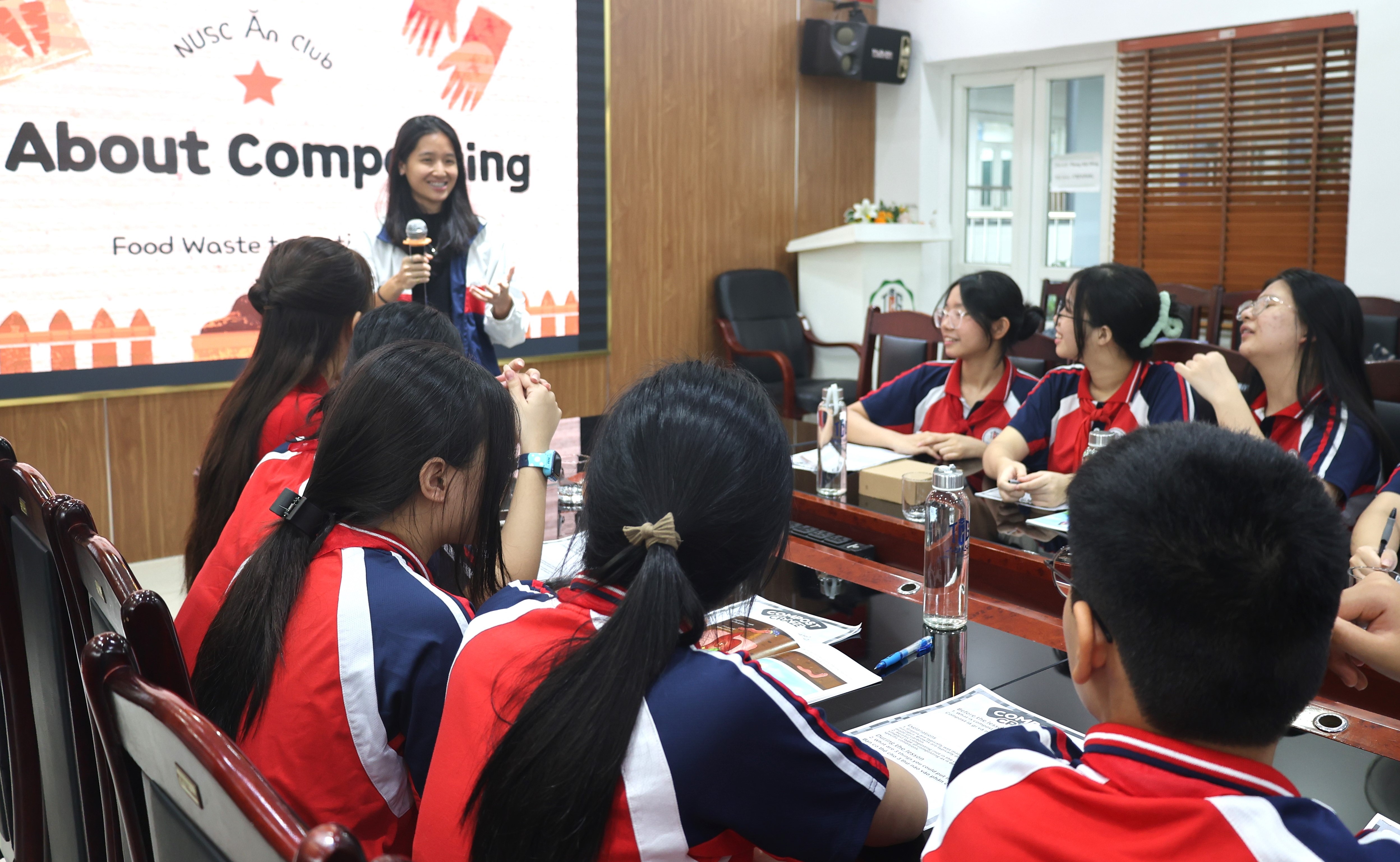
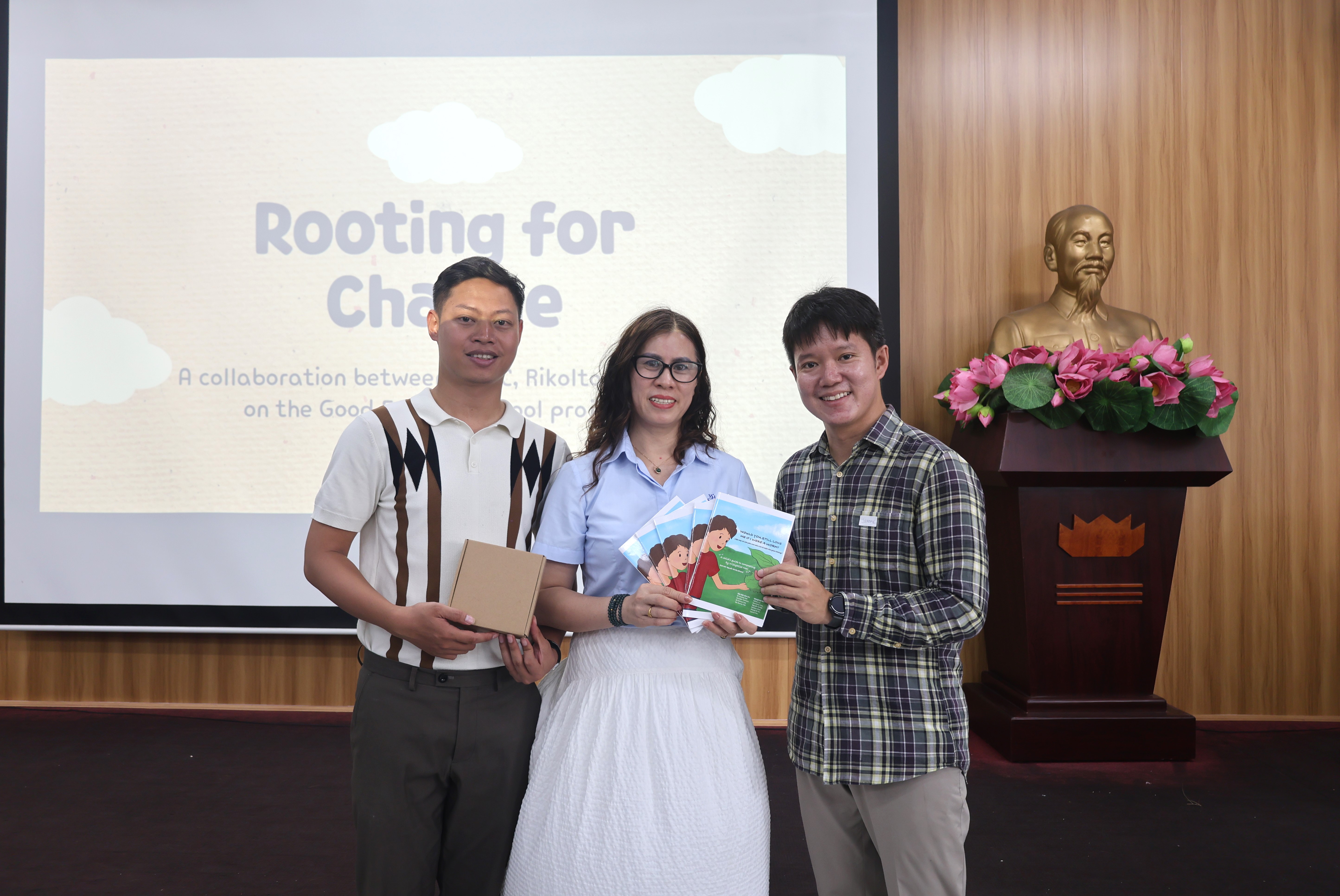
This is also the spirit of “Rooting for Change” - a series of exchange and hands-on learning activities bringing together students from three secondary schools in Hanoi – Yen Hoa, Nam Trung Yen and Truong Cong Giai – and a group of students from the National University of Singapore (NUS), with the collaboration of Rikolto and the Centre for Community and Environment Development Initiatives (C&E). The activities took place from 4–5 August 2026 as part of the GoodFood@School project.

The connection between NUS and secondary schools in Hanoi began in 2024, when NUS started working with Rikolto to explore school food systems in Vietnam. In 2025, the first group of NUS students, led by lecturer Jerome KOK, came to Vietnam and worked with Rikolto and C&E to organise nutrition-focused exchange activities at Yen Hoa and Nam Trung Yen Secondary Schools.
Building on this partnership, in 2026, Jerome KOK and a new group of NUS students continued to work with Rikolto and C&E to develop activities on organic composting, ranging from lessons and interactive games to hands-on practice designed for students in Vietnam. School leaders and teachers from all three schools also actively supported the initiative, helping bring these activities closer to students.
The journey from nutrition to the environment began with simple questions: “What do you usually have for breakfast?” “What happens to food after we use it?” Through these questions, students gradually began to see the connection between what happens on their plates and the environment around them.
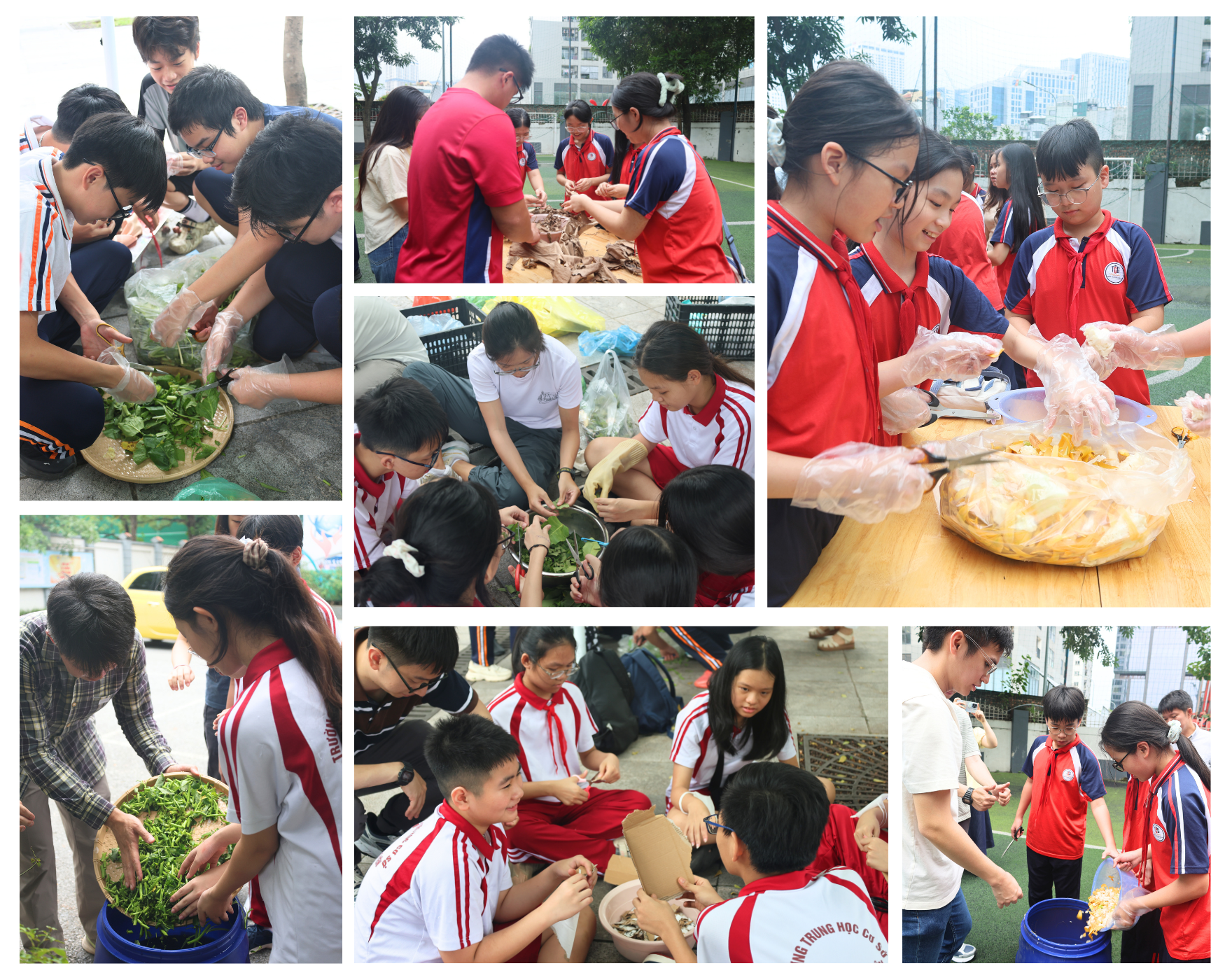
In January 2026, students from the three schools began learning about organic composting with the NUS students. At Nam Trung Yen Secondary School, the lessons were extended through hands-on practice in the school garden. Students cut up vegetables, dry leaves and eggshells, sorted the materials and layered them in a compost bin. Through these experiences, they could begin to picture a circular system within their own school: vegetables and eggshells from the school kitchen, along with dry leaves from the school grounds and garden, can be turned into compost, which returns nutrients to plants, while those plants can in turn become food for people.
The August activities continued to build on this journey. Through interactive games, exchanges and hands-on practice with the NUS students, students from all three schools strengthened their understanding of the composting process and had the opportunity to practise its basic steps themselves.
Compost may be a new concept for many students. Instead of starting with theory, they explored the composting process through card games and interactive activities.
From learning how to distinguish “green” and “brown” materials and understanding the role of each type, to exploring the basic steps involved in setting up a compost bin, the lessons were presented in an engaging and accessible way.
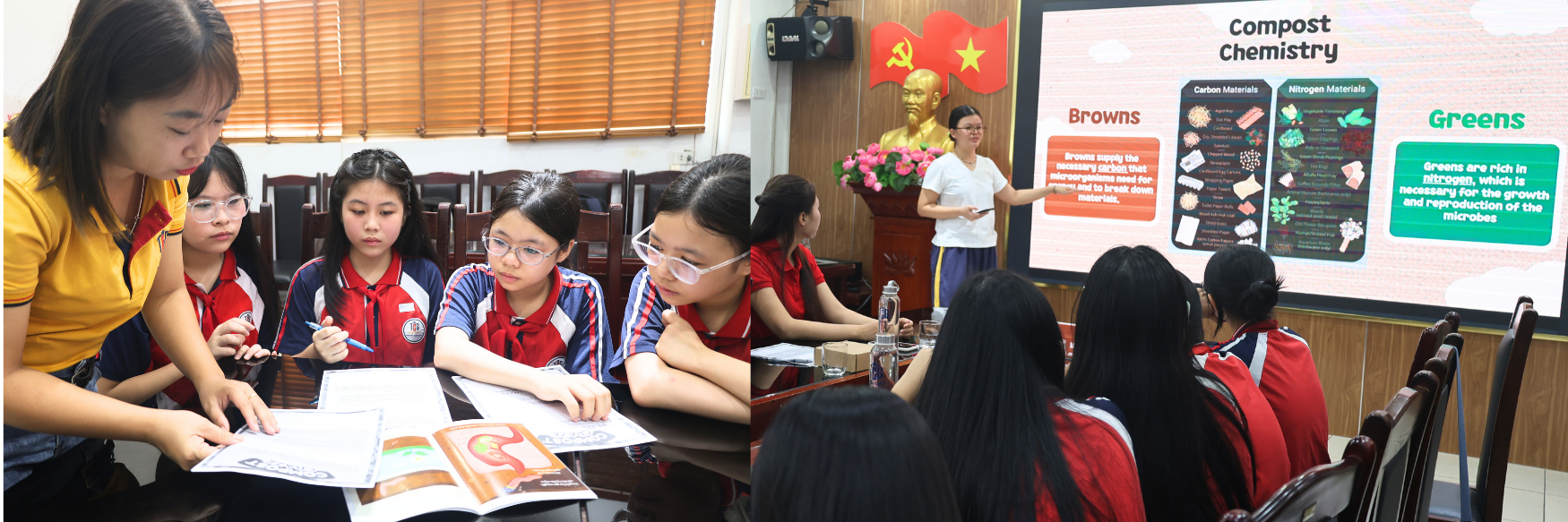
Trung, a Grade 6 student at Truong Cong Giai Secondary School, shared:
“First, I learned how to make compost and what organic compost is used for. Then we played some games, and finally we got to practise making compost ourselves. I liked the games the most because they were fun and helped us learn a lot. After the session, I think I can make my own compost to help the plants around my home grow better.”
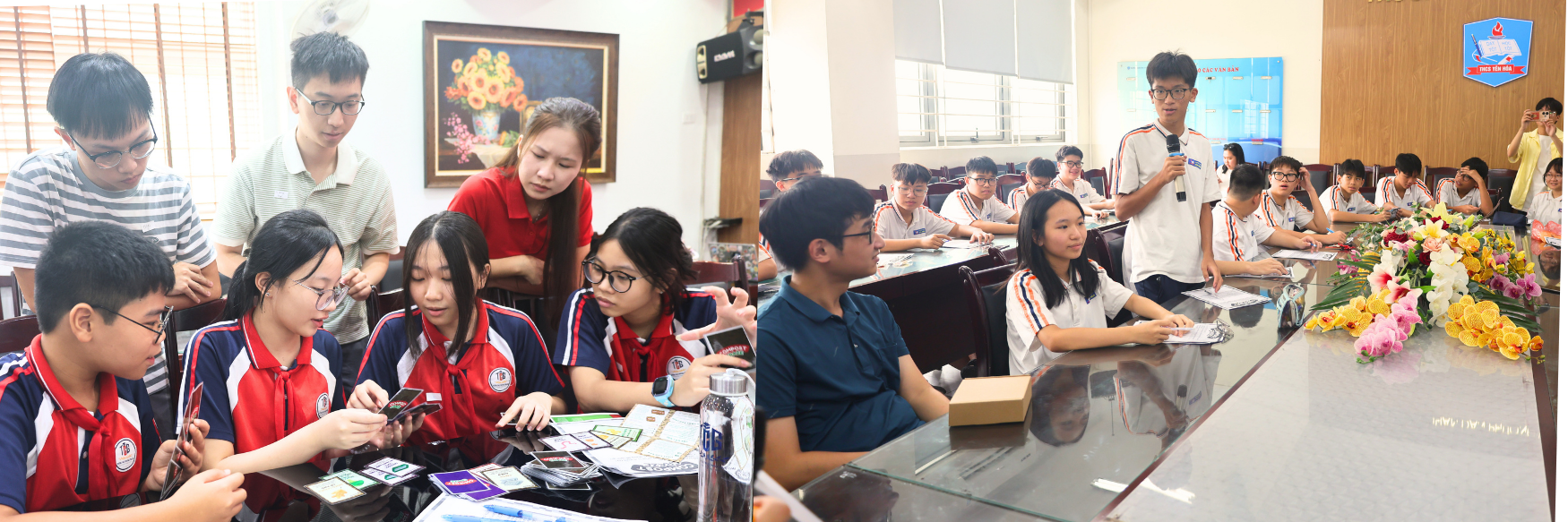
Beyond learning about the environment, the activities also gave students opportunities to communicate in English. Through playing, discussing and working in groups with guidance and support from the NUS students, they not only learned about composting but also developed their communication and teamwork skills.
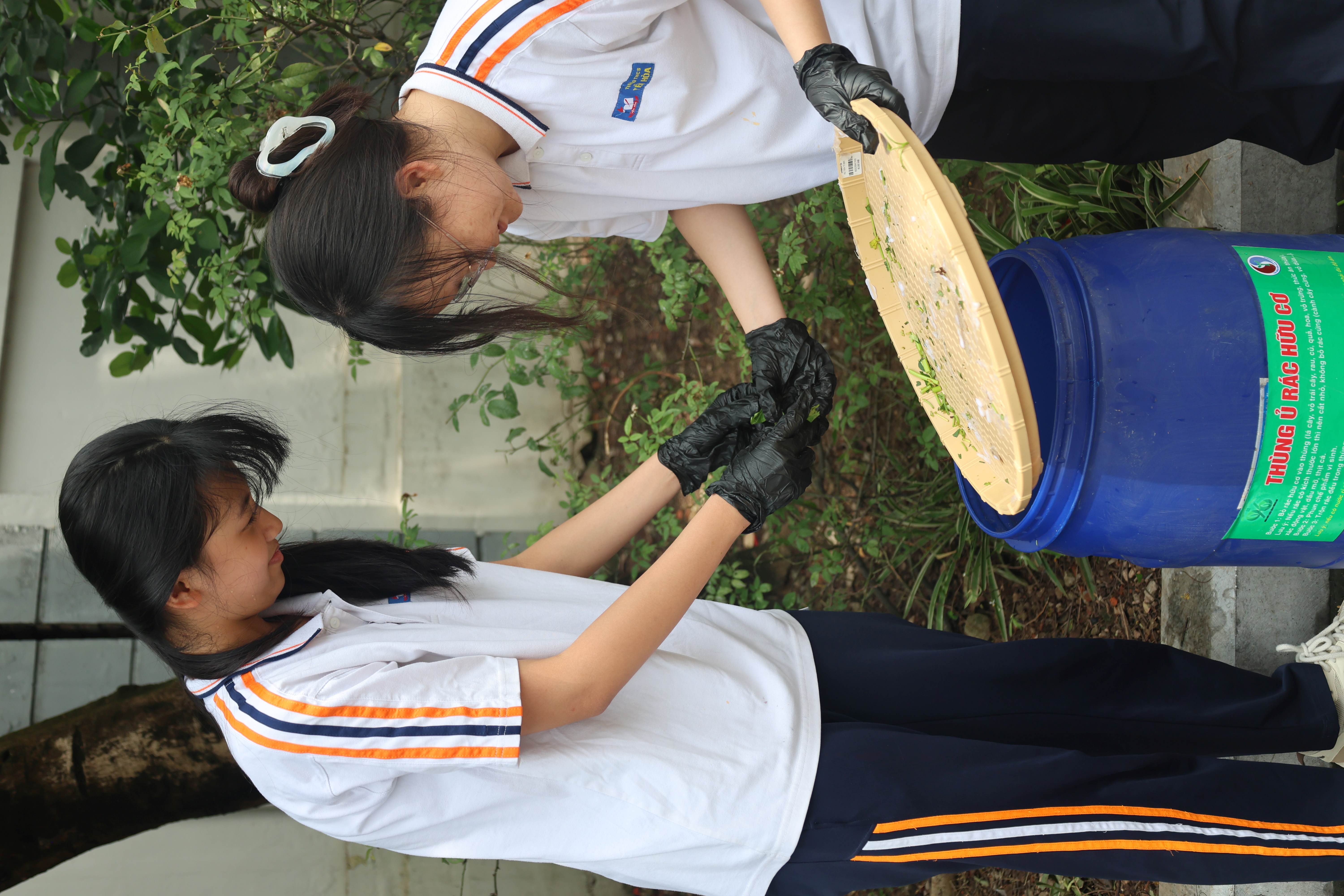
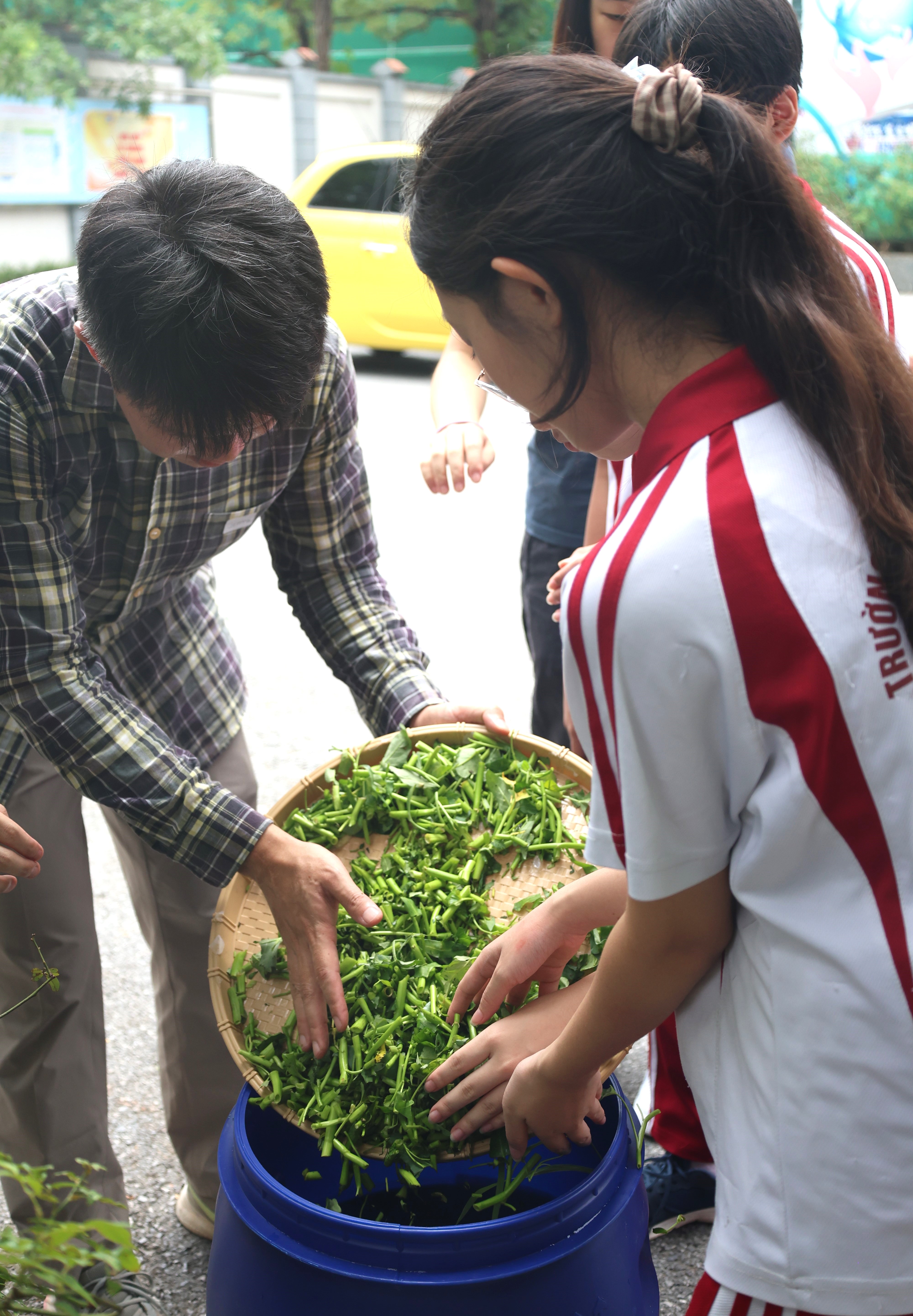
After the introductory activities, students had the opportunity to make compost themselves under the guidance of NUS lecturers and students, with support from their teachers. Vegetable peels, dry leaves and branches collected from the school grounds were sorted, cut into smaller pieces and layered in the compost bins as “green” and “brown” materials. These simple steps helped students better understand the importance of sorting and managing organic waste.
“As a homeroom teacher, I was very happy to see our students can take part in the organic composting session led by the NUS students. During the two-hour session, they not only learned the theory but also had the chance to practise, helping them better understand how familiar organic waste can be turned into useful fertiliser for plants.
— Ms. Le Ha, a teacher at Yen Hoa Secondary School, who has been involved in the GoodFood@School project for the past five years, shared.
What impressed me most was how enthusiastic and proactive the students were throughout the session. When they learn through hands-on experience, knowledge becomes more accessible, easier to understand and more memorable. I believe activities like this not only help students develop an awareness of environmental protection but also encourage them to change small habits in their daily lives.
- said Ms. Le Ha.
Thank you to Rikolto and the NUS students for bringing the students such a practical, meaningful and inspiring experience. I hope they will continue to share what they have learned with their families and communities.”
For Quang, a Grade 9 student at Yen Hoa Secondary School, the lesson also inspired him to change some of his daily habits:
“Today, I learned how to make organic fertiliser using materials around us. I especially liked using leftover vegetable and fruit peels to make fertiliser for plants. From now on, I will collect leftover vegetables and fruit and other organic waste to make fertiliser for the plants.”
The food story behind the journey does not stop with composting.
Alongside the exchange activities on composting with the NUS students, on 5 August 2026, Yen Hoa Lower Secondary School organised “A Little Summer Kitchen – Exploring Safe and Healthy Food”, helping students learn more about balanced nutrition, the four essential food groups, a nutritious breakfast, food safety and healthy eating habits. Through exchanges with the NUS students, games, quizzes and the “Young Chef – Little MasterChef Yen Hoa” experience, students were encouraged to look at food from different perspectives – not only eating delicious food, but also eating well, healthily and safely.
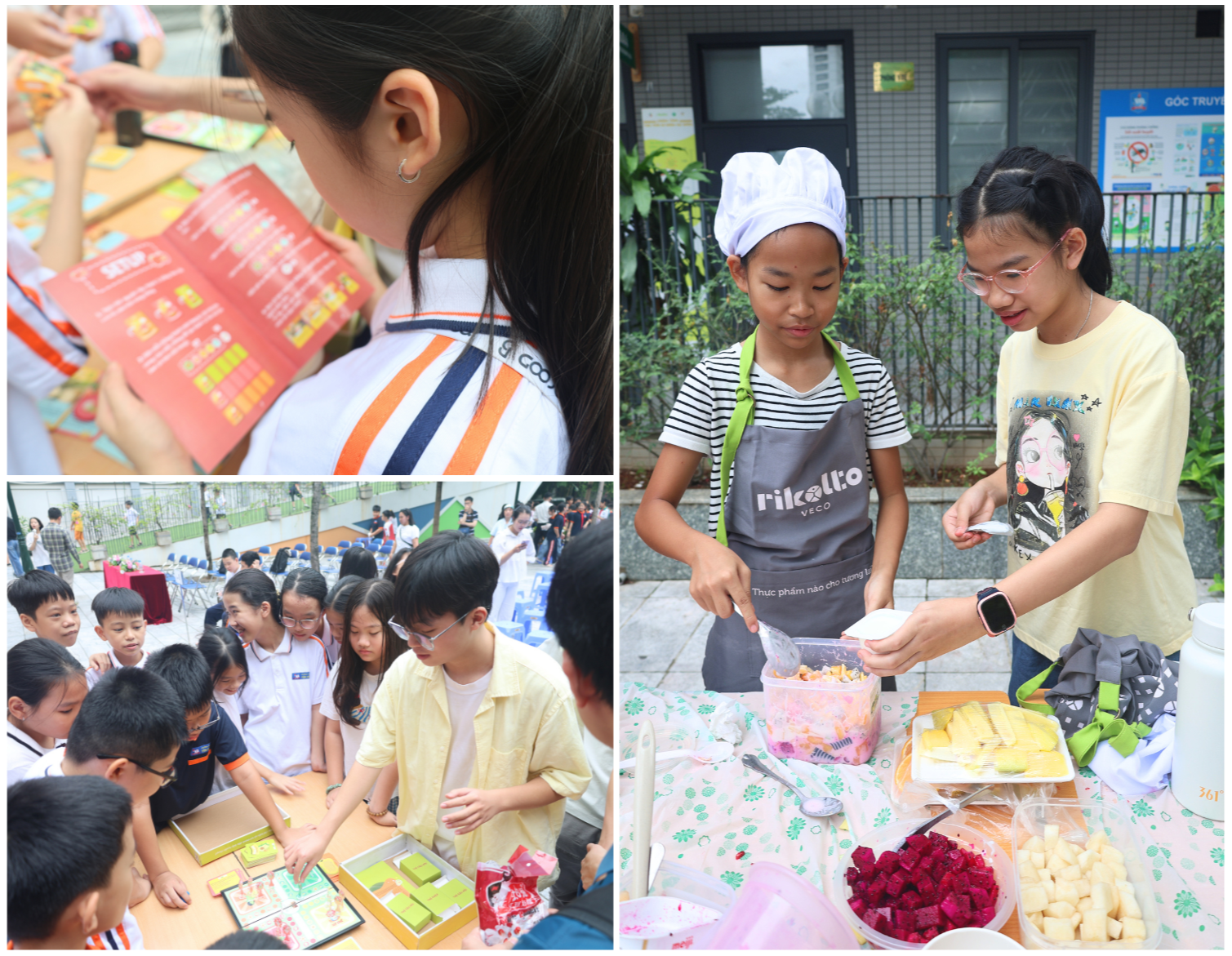
Together with the composting activities, these lessons created a natural connection: from how we choose, prepare and consume food, to how we manage what is left over and return nutrients to the soil and the environment.
A portion of food that does not go to waste.
A handful of dry leaves sorted properly.
A compost bin cared for together.
A green shoot nurtured to grow.
Or a lesson shared with family and friends.
These small actions, when practised and sustained together, can become new habits.
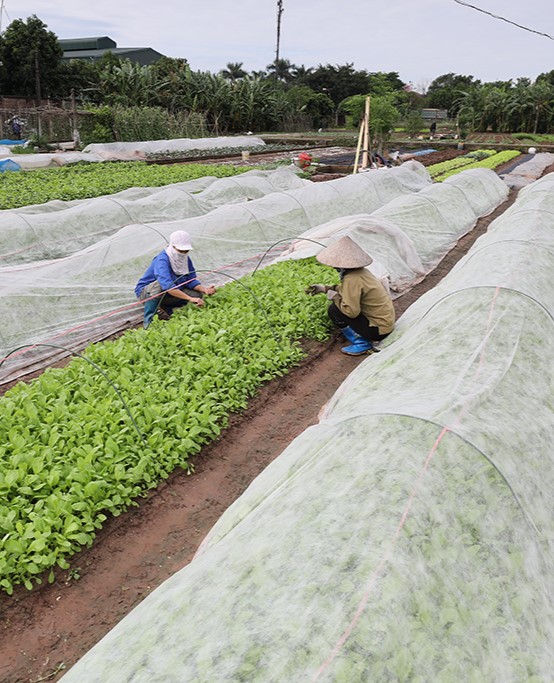
Through these everyday experiences, the story of organic composting and the circular food journey helps students realise that they too can contribute to change – starting with the small choices and actions they make themselves. In this way, the lessons learned today can continue to spread from schools to families and communities, contributing to a more sustainable food system and a greener planet.
.jpg)