
Farmer training aims to raise awareness and encourage changes in production practices, contributing to reduced inputs and emissions, more efficient use of resources, and greater resilience of Hanoi’s vegetable production systems.
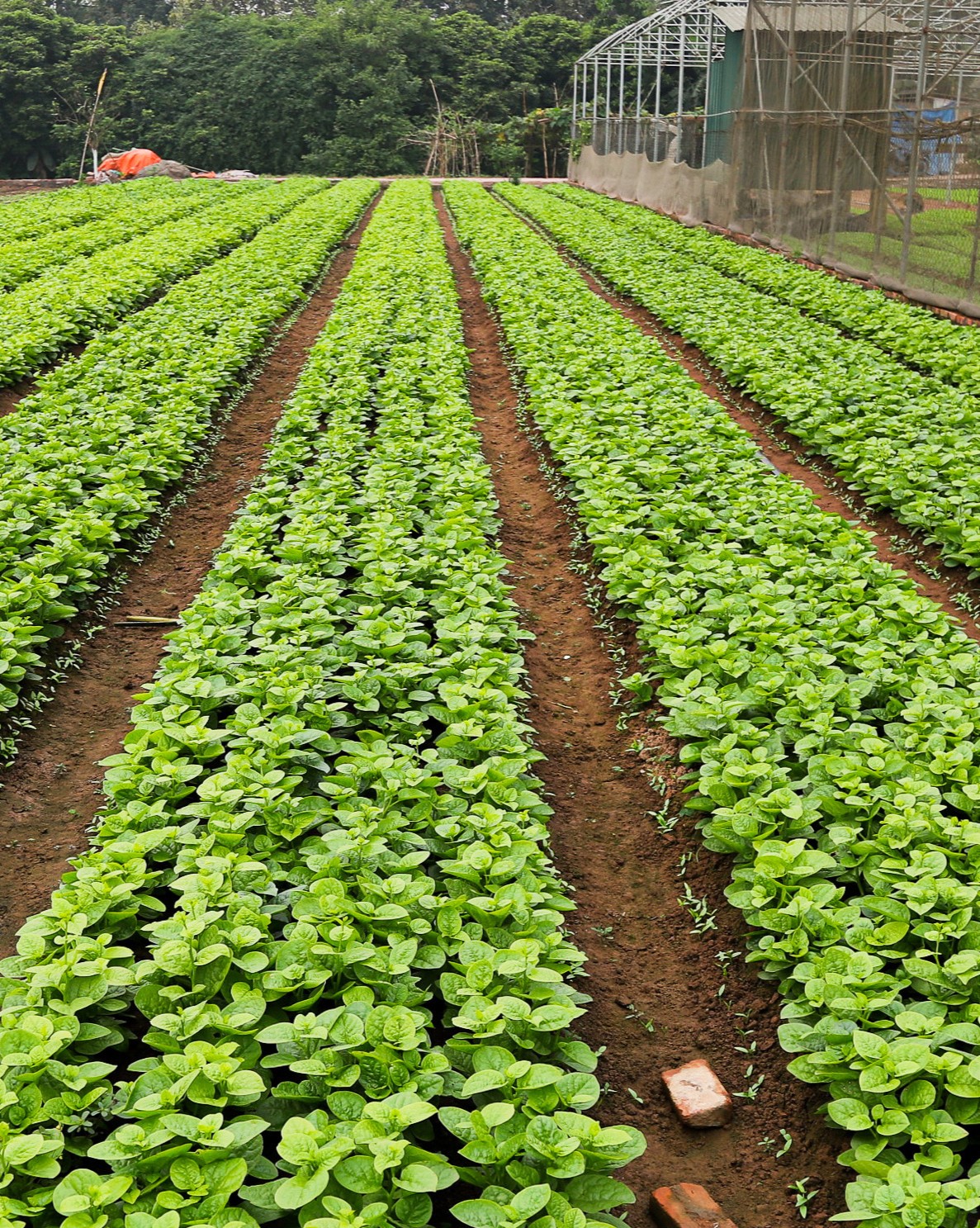
Vegetable production in Hanoi is increasingly affected by extreme weather events, temperature fluctuations, heavy rainfall, drought and pest outbreaks, creating growing risks to crop yields and quality. At the same time, some production practices, including the inappropriate use of chemical fertilisers and pesticides and the limited reuse of agricultural by-products, contribute to greenhouse gas emissions and pollution of soil, water and air.
.jpg)
From 4 to 22 August 2026, the Hanoi Sub-Department of Crop Production and Plant Protection, under the Hanoi Department of Agriculture and Environment - a partner of Rikolto, organised 10 training sessions on low-emission, climate-resilient and sustainable crop production. The sessions brought together 480 farmers (292 women and 188 men) from five cooperatives: Linh Nam, Hoang Kim, Van Duc, Dong Cao and Lam Dien. The training combined technical knowledge with farmers’ practical experience, creating space for participants to discuss challenges and identify solutions that are relevant and feasible for their own farms.

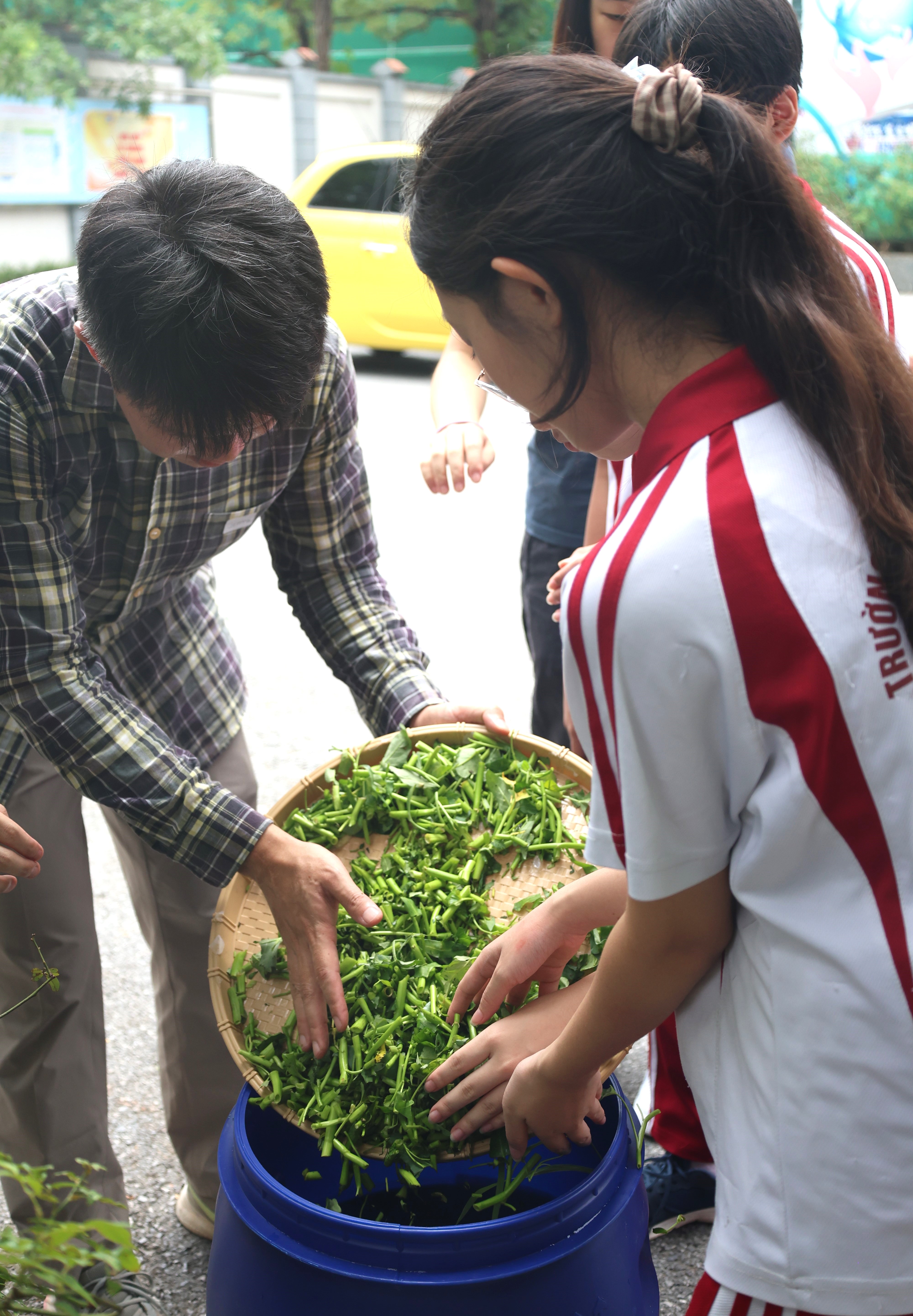
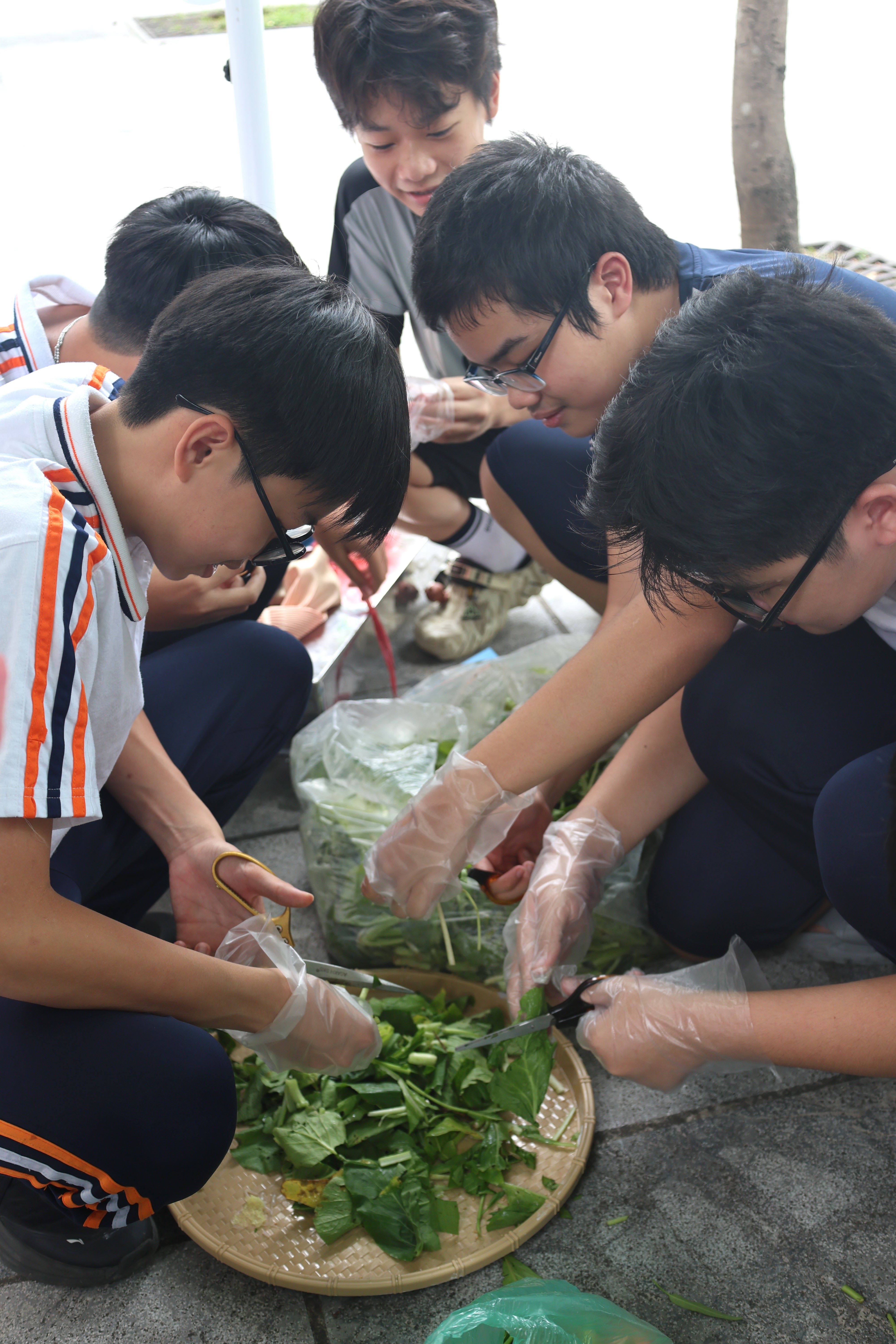
During the training, farmers learned to identify key sources of emissions in vegetable production, such as the use of chemical fertilisers and the burning of crop residues and explored practical solutions that can be applied in the field. These included:
Farmers also exchanged experiences on adjusting planting schedules, selecting varieties suited to seasonal weather conditions, and applying science, technology and high-tech solutions, such as protective covering, to reduce risks from increasingly unpredictable weather. Other solutions introduced during the training included measures to improve soil health through organic fertilisers, water management through automated irrigation systems, biodiversity enhancement and the conservation of natural enemies. Together, these practices can help strengthen the resilience of vegetable production systems.
.jpg)
As a next step, farmers will select priority solutions to test and apply in their fields. They will monitor fertiliser and pesticide use, manage agricultural by-products, and record changes in input costs, yields, product quality and the amount of waste and emissions reduced. The evidence generated through this process will provide a practical basis for the cooperatives to gradually develop low-emission, climate-resilient and sustainable vegetable production models, creating lessons and evidence that can be shared and scaled up.


.jpg)