
On 14 March 2026, at Sao Mai Hotel in Cao Lanh City, Dong Thap Province, Rikolto, in collaboration with the Dong Thap Department of Agriculture and Environment, organised the 2025 review and 2026 planning workshop for the project “Developing Sustainable Rice Value Chains for Smallholder Farmers in Dong Thap (2022-2035)". The event brought together Mr. Le Chi Thien, Deputy Director of the Dong Thap Department of Agriculture and Environment; Ms. Nguyen Thi My Hung, Director of the Sub-Department of Rural Development; technical staff from the Department and Sub-Department; as well as representatives of cooperatives and farmers across the province.
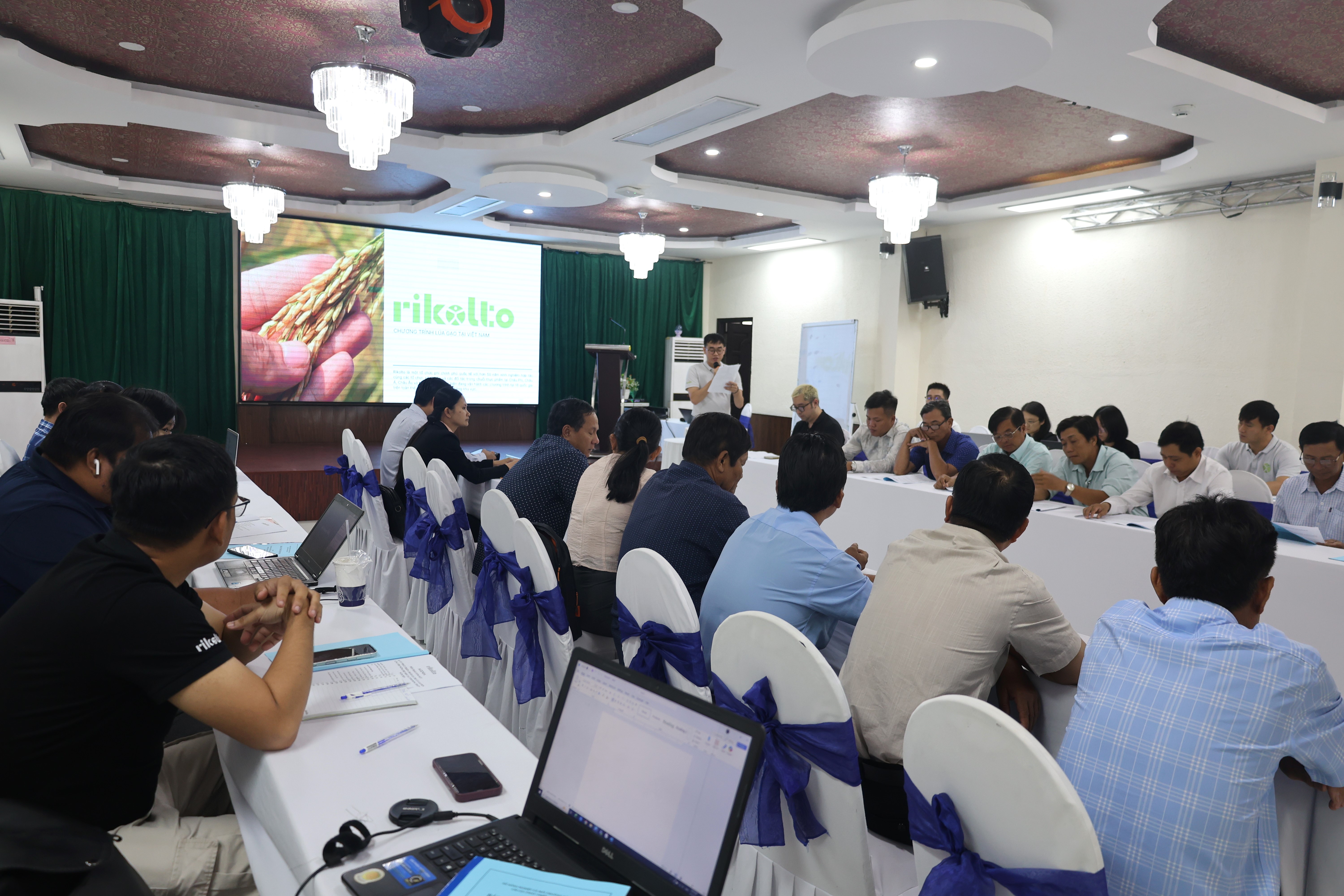
The workshop was held within the framework of the 2022–2026 partnership between Rikolto and the Dong Thap Department of Agriculture and Environment. It aimed to review implementation results in 2025, facilitate practical knowledge sharing among stakeholders, and align on scaling plans for 2026.
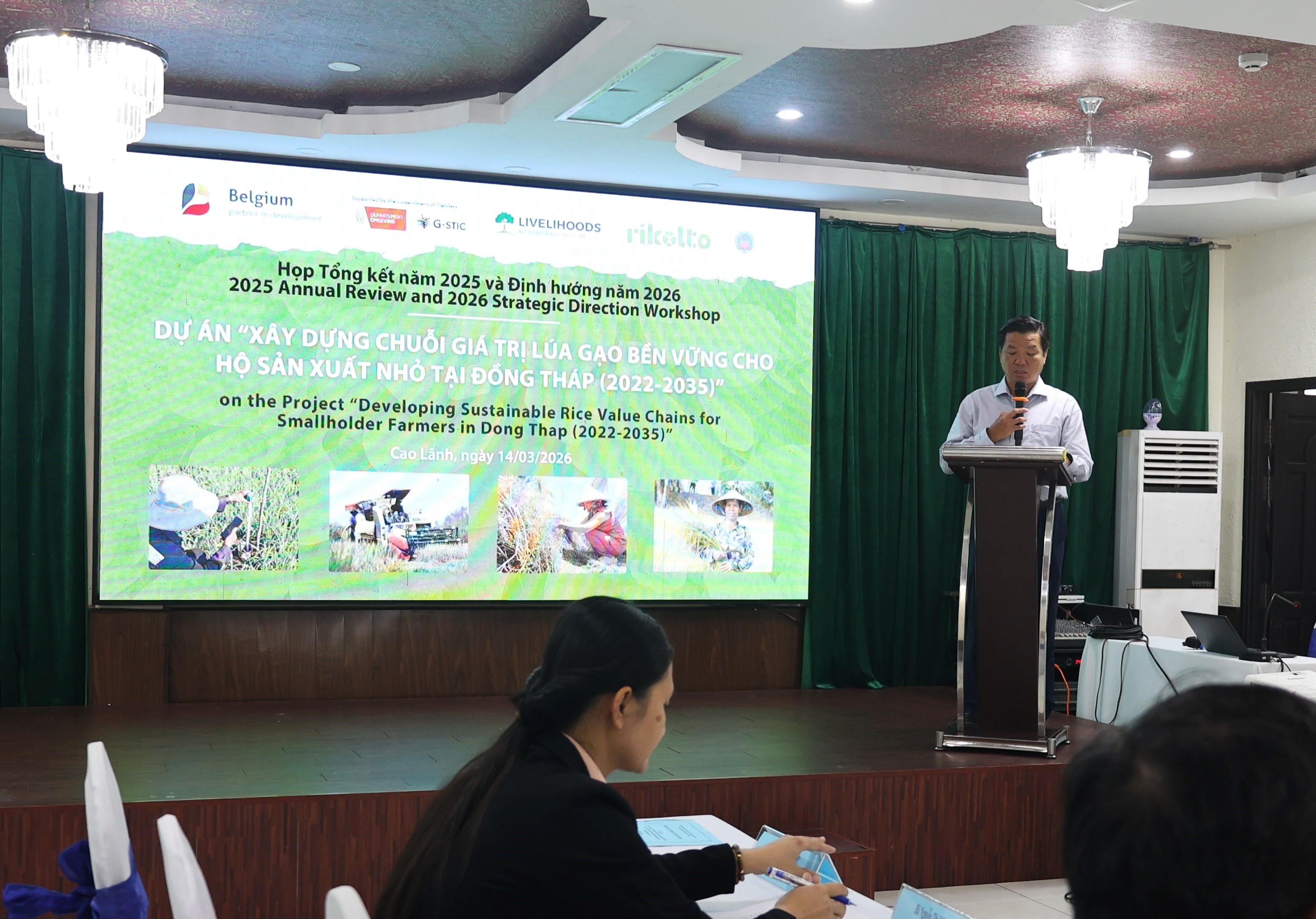
In his opening remarks, Mr. Le Chi Thien emphasised that Dong Thap’s rice sector is facing a critical need for transformation in the context of climate change and growing global demand for environmentally responsible agricultural products. Moving beyond a focus on yield, the sector must shift towards value creation, emission reduction, and sustainable development. The vision of developing a “rice-based ecosystem” was highlighted as a long-term direction, where each field contributes not only to production but also to environmental value and resilient farmer livelihoods.
In 2025, supported by the Belgian Directorate-General for Development Cooperation (DGD), the Flemish Government, and the Livelihoods Carbon Funds (LCF), the project achieved positive results across 10 cooperatives, engaging 1,182 farmers on more than 2,600 hectares. Sustainable practices, including the Sustainable Rice Platform (SRP) Standard and Alternate Wetting and Drying (AWD), were widely adopted. Two cooperatives, Tan Binh and Thang Loi, obtained SRP certification, strengthening traceability and improving access to markets.
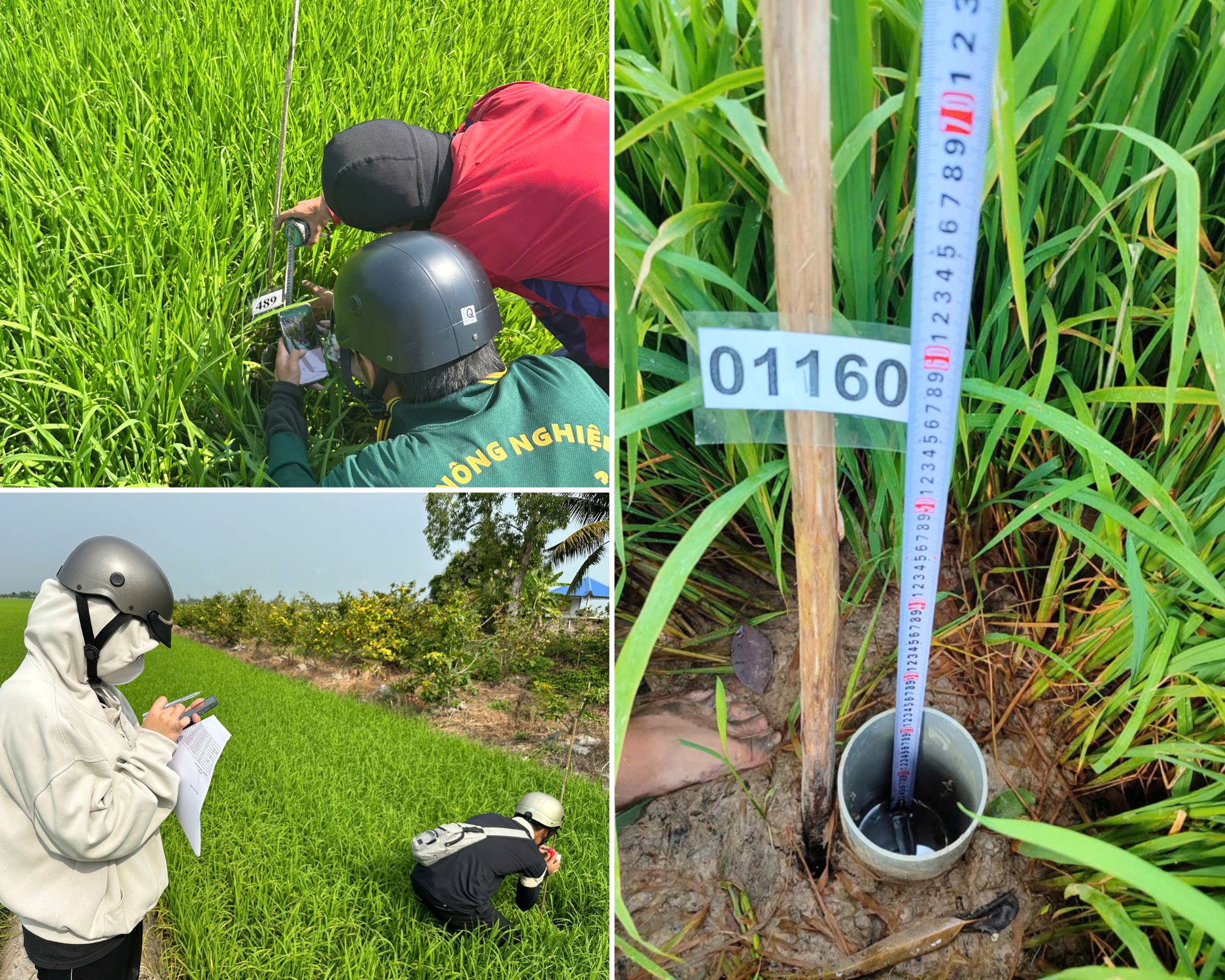
AWD was implemented on 645 hectares across five cooperatives, delivering significant emission reductions. Beyond environmental benefits, this also creates potential for participation in carbon markets in the future. If properly validated and connected to markets, farmers could generate additional income of around VND 900,000 – 1,000,000 per hectare.
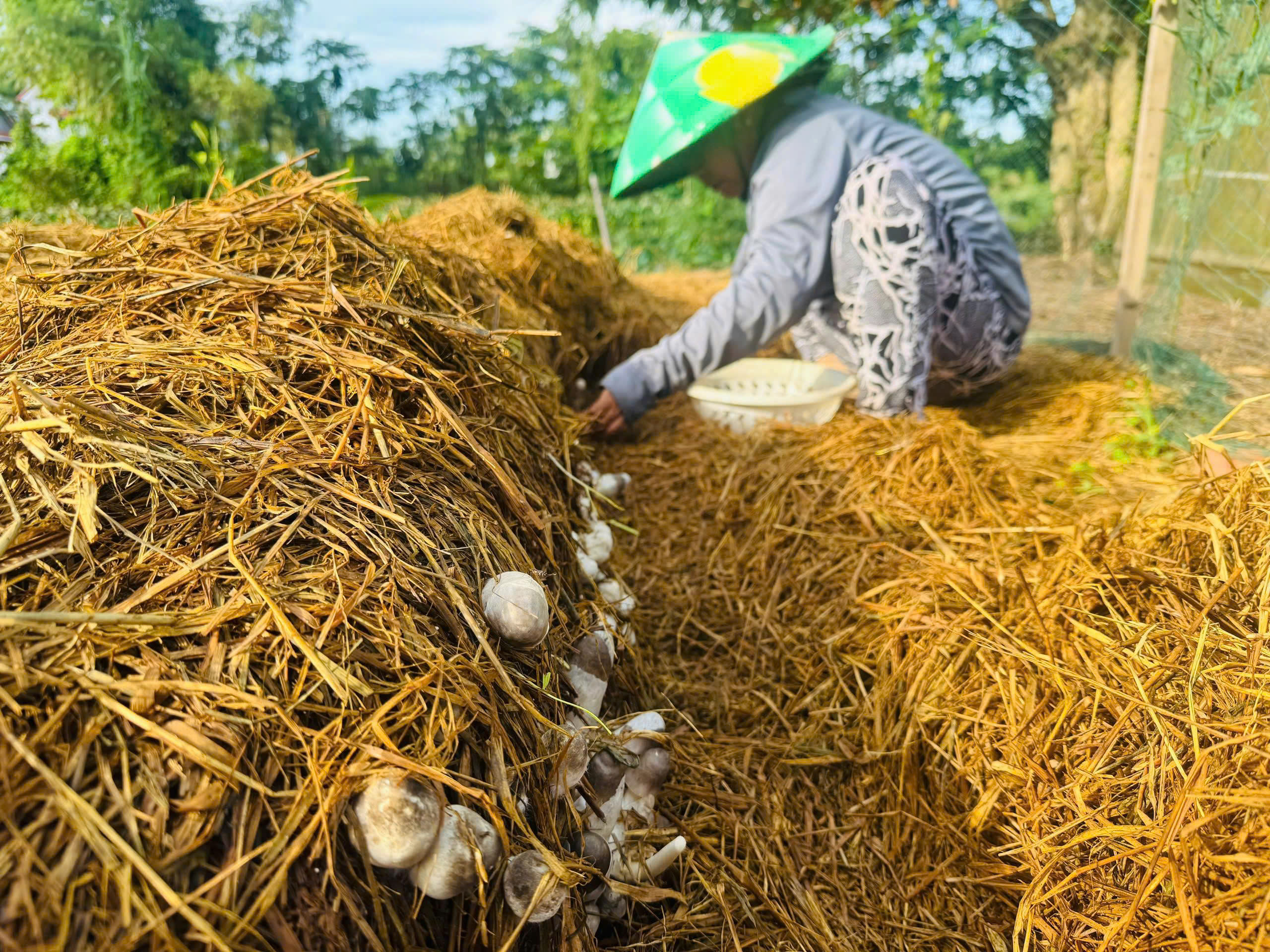
The project also promoted circular economy practices, particularly the reuse of rice straw for mushroom cultivation and organic fertiliser production. These models help reduce environmental pollution from open-field burning while creating additional income for farmers, with an estimated net profit of around VND 2.7 million per 45-day cycle.
During the open discussion session, cooperatives and farmers shared practical challenges encountered during implementation, including water level monitoring in fields, uneven irrigation conditions, logistics in transporting paddy to mills, and straw management during the rainy season. These discussions informed proposed solutions to improve implementation effectiveness moving forward.
A key outcome of the workshop was the direction from provincial authorities and the commitment of cooperatives to progressively scale up and apply sustainable production models across all eligible farming areas. The expansion aims to reach approximately 14,400 hectares in the coming period. In the immediate term, stakeholders agreed to expand implementation to around 4,000 hectares in 2026, combined with strengthened communication, training, and farmer engagement. This marks a critical transition from pilot initiatives to large-scale adoption, generating long-term impact for the province’s rice sector. The expansion will also align with Vietnam’s national programme on one million hectares of high-quality, low-emission rice, contributing to the country’s green growth objectives in agriculture.
At the same time, implementation approaches are evolving to strengthen the active role of farmers and cooperatives. Farmers will directly monitor water levels, keep farm records, and provide data for measurement and assessment. Cooperatives will support implementation and oversee field-level activities. Local technical staff and Rikolto will continue to provide technical guidance, support data verification, and address emerging challenges. This approach ensures that farmers gradually take ownership of the process while maintaining data quality and transparency.
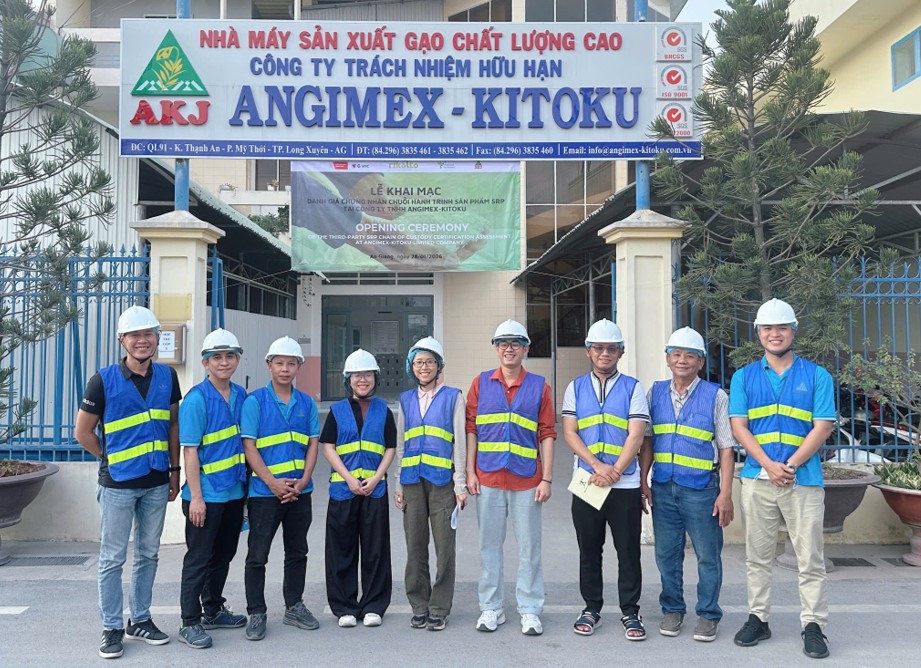
On market linkages, the project is fostering partnerships with European buyers, including plans to export SRP-certified rice to Belgium. The first shipment is expected to reach approximately 75 tonnes (equivalent to three containers), with the ambition to scale up to 800 – 1,000 tonnes annually. Strengthening access to international markets not only increases the value of rice but also creates incentives for farmers to sustain good agricultural practices.
Highlighting the practical impact of these models, Mr. Le Chi Thien noted that early results go beyond technical achievements and are already transforming how farmers and cooperatives approach production:
“Sustainable farming models like those implemented in this project not only help farmers reduce costs and increase incomes, but also contribute significantly to the province’s vision of building a green and responsible rice-based ecosystem.”

The outcomes and commitments from the workshop demonstrate not only the effectiveness of sustainable rice production models, but also Dong Thap’s strong determination to scale them up. Through close collaboration between local authorities, cooperatives, and Rikolto, the province is steadily positioning itself as a frontrunner in transitioning towards a low-emission, high-value rice sector that meets both environmental goals and international market demands.


.jpg)