
Rikolto organised a five-day training workshop titled “Business Development and Market Access for the Rice Value Chain” in Cao Lanh ward, Dong Thap province from March 9 to 13, 2026, with funding from the Belgian Directorate-General for Development Cooperation (DGD).
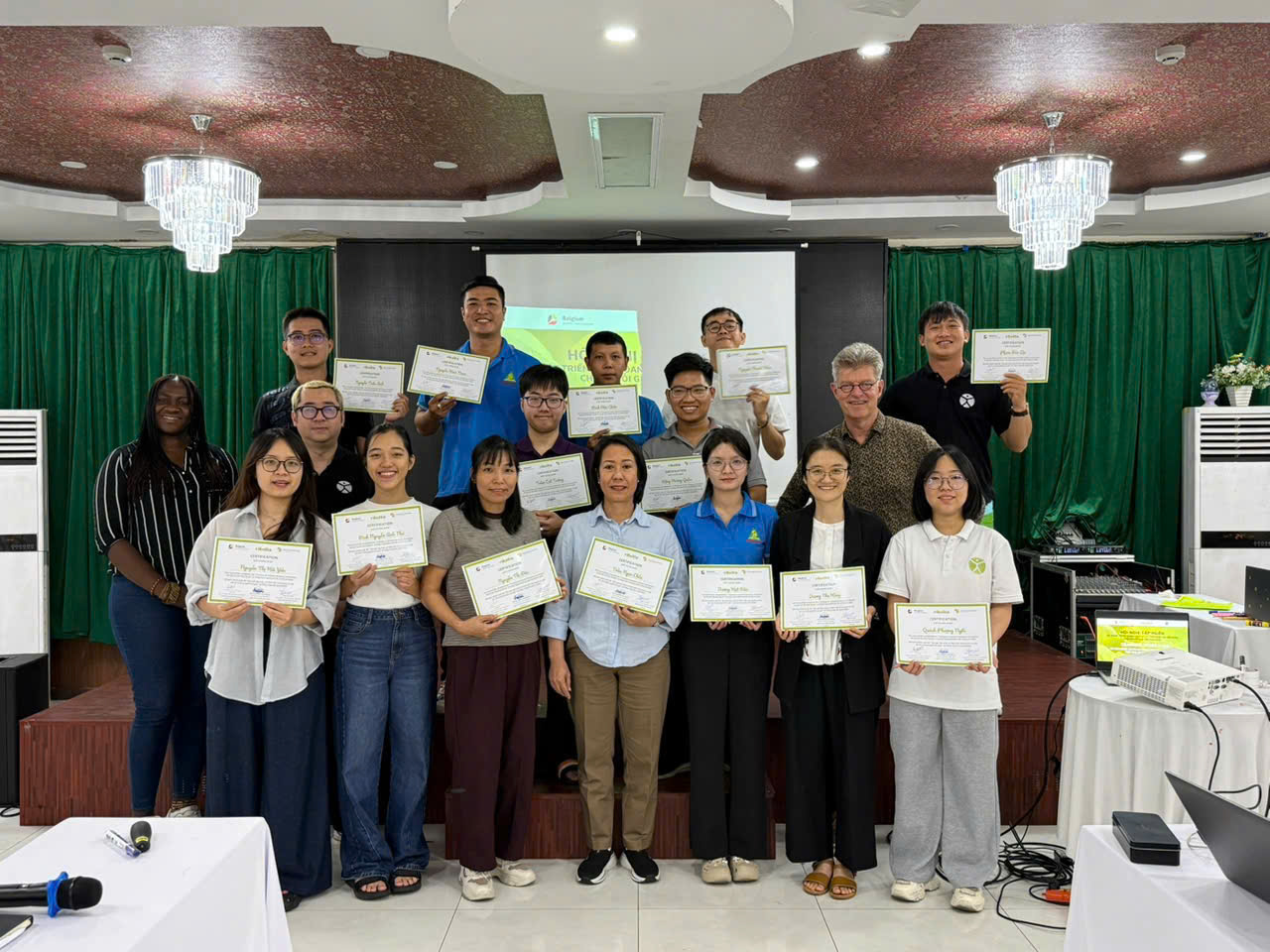
The intensive event brought together Rikolto staff, private sector actors - including companies such as Angimex-Kitoku Limited Company and Hong Tan Rice Co., Ltd. - and representatives from the Dong Thap Sub-Department of Rural Development.
Facilitated by Johannes Jan de Visser, founder of Africa Business Coaching and a 35-year retail veteran at Albert Heijn, and Ecklu Josephine Aku Holanyo, Rikolto’s Inclusive Business Manager, the event served as a practical platform to support the key actors, especially companies in turning sustainable rice into viable business opportunities.
Vietnam is currently implementing the government’s “1 million hectares of high-quality, low-emission rice” scheme, aiming to improve farmer incomes while reducing environmental impact. While Rikolto has demonstrated the benefits of Sustainable Rice Platform (SRP) standards at the farm level, the key question for the private sector remains how to translate sustainability into business value.
As Josephine highlighted: “We have demonstrated the benefits of SRP verified rice at the farmer level. However, for companies, the key question is: what is in it for them?”
This training addressed that gap by supporting companies that have already achieved SRP Chain of Custody (CoC) verification, such as Angimex-Kitoku and Hong Tan Rice, to move beyond technical compliance and use verification as a strategic tool for market access, product differentiation, and growth.
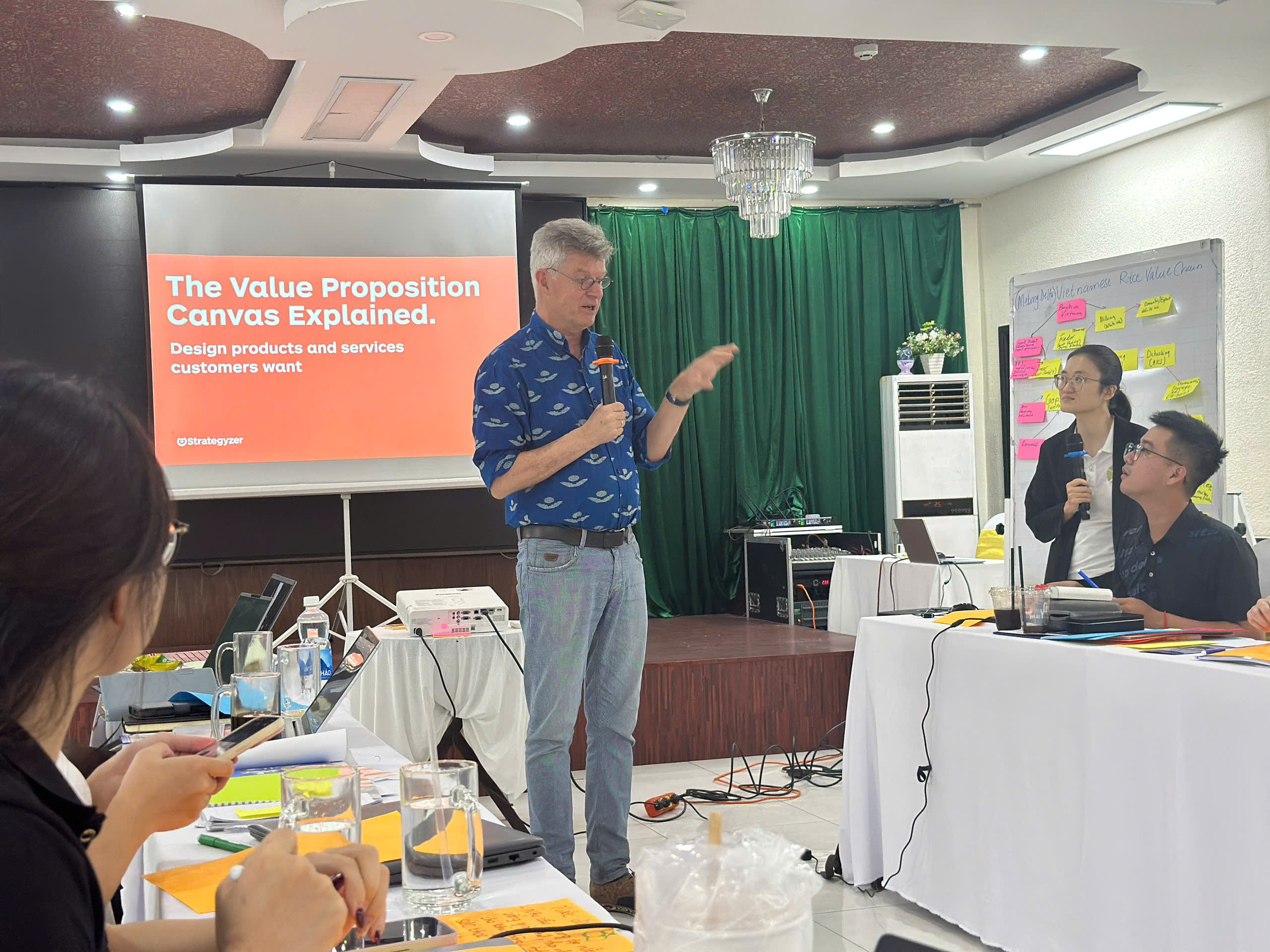
Johannes encouraged participants to rethink their business logic:
“Instead of saying ‘I have rice to sell,’ we must start with the customer. How do they eat rice? What is their lifestyle? What do they value?”
This shift is critical for companies seeking to position SRP-verified rice more effectively in the market. Rather than presenting rice simply as a commodity, companies were encouraged to develop products that respond to consumer needs – such as health, convenience, and taste.
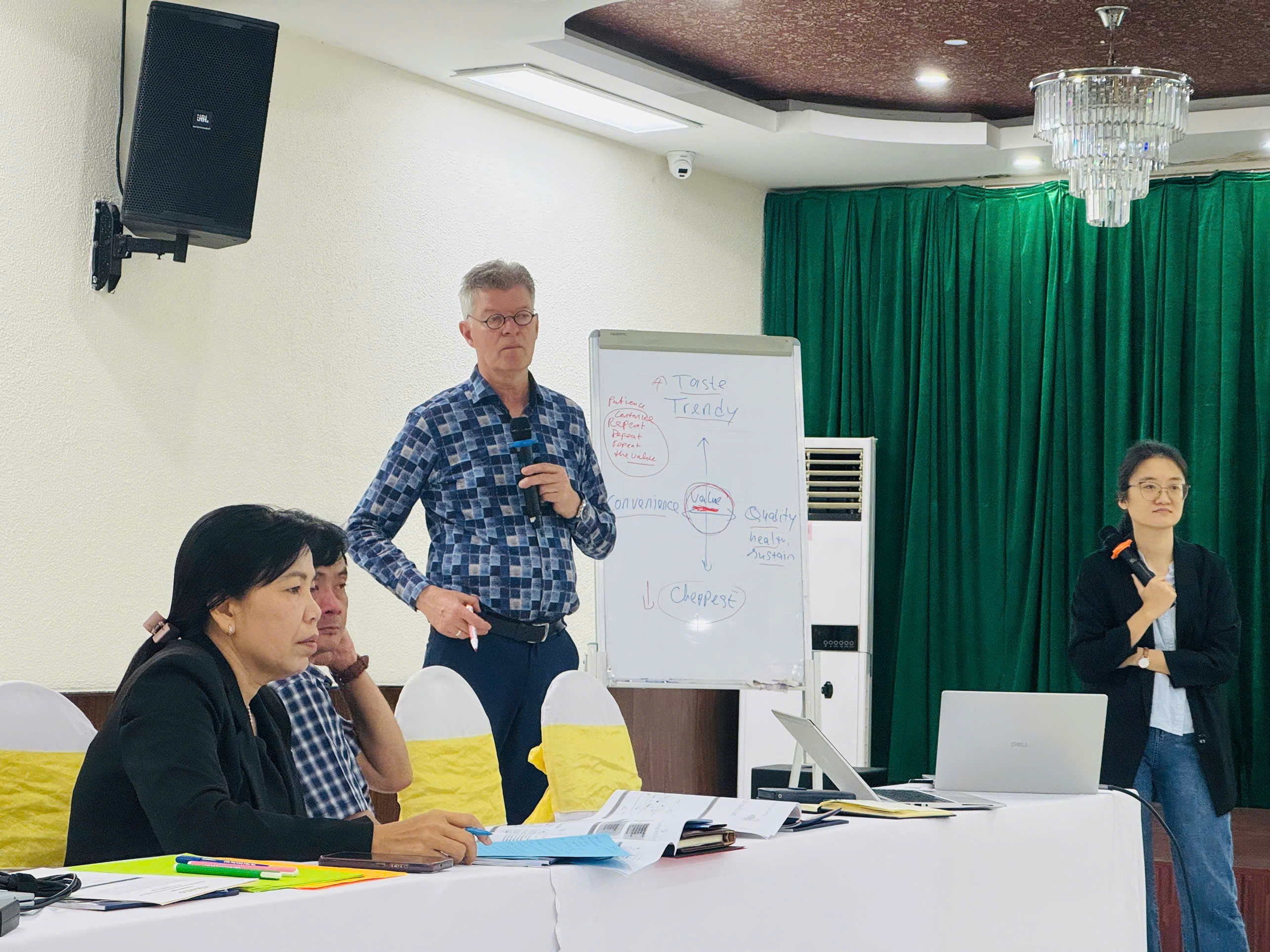
“The challenge is to combine the healthy and safe aspects of SRP with trendy taste and convenience. That is how you create real value,” he added.
Through this approach, participants strengthened their ability to develop clear value propositions, linking sustainability with tangible customer benefits.
The training provided companies with practical tools to support business growth and decision-making, including market analysis and strategy development, product innovation and branding, understanding EU market requirements, and improving negotiation and customer service skills. Together, these elements offer a clear pathway to convert sustainability into competitiveness.
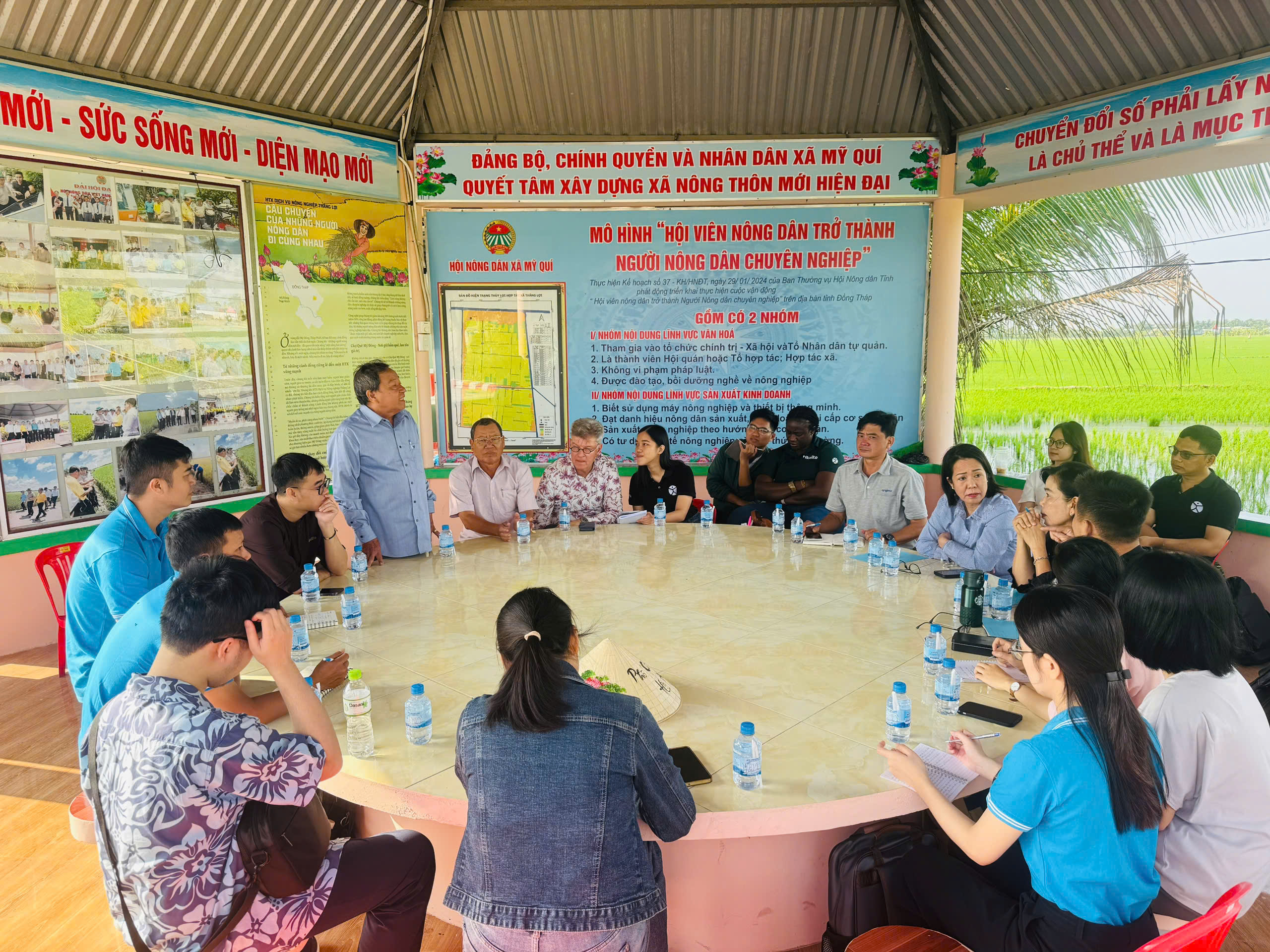
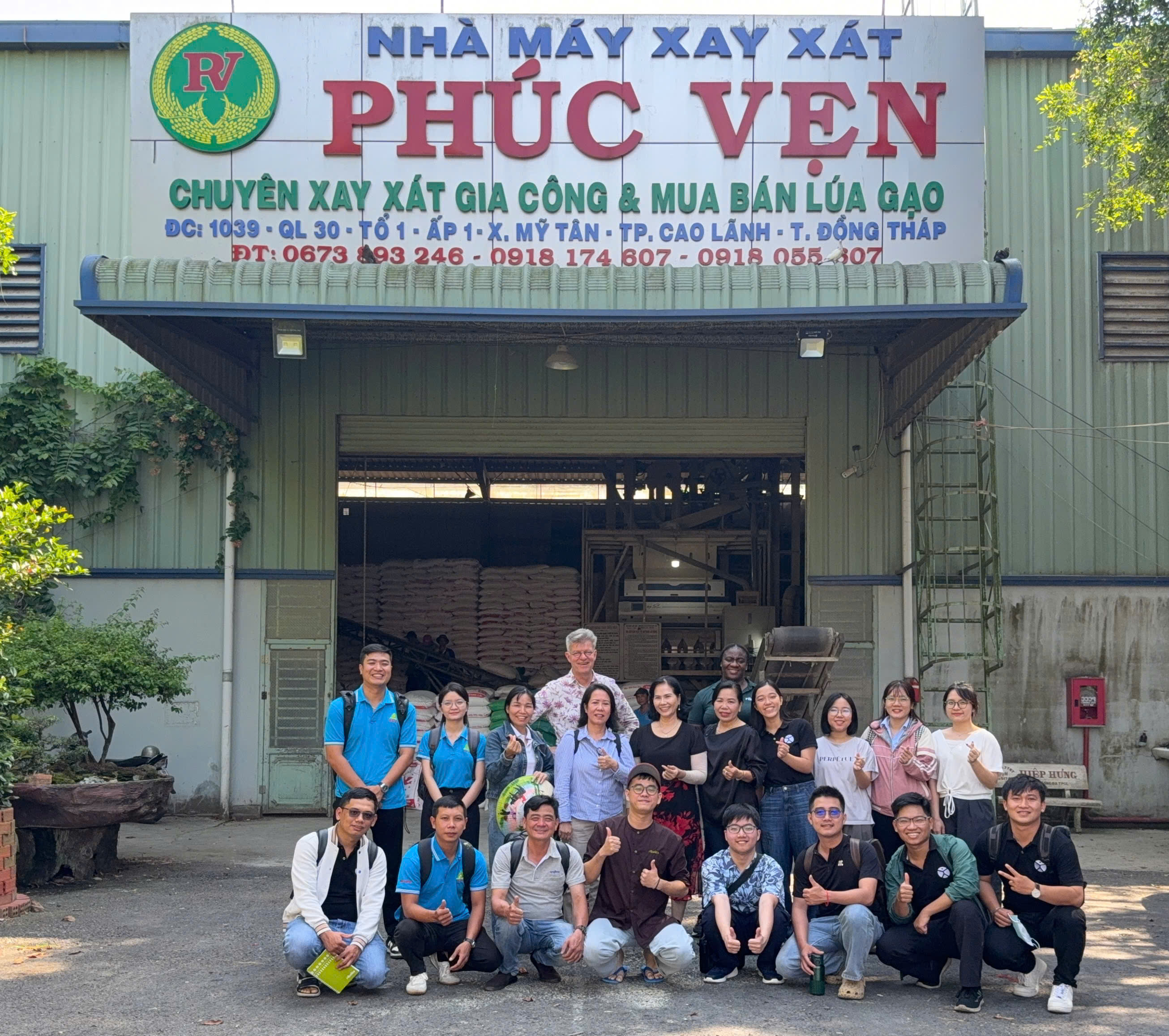
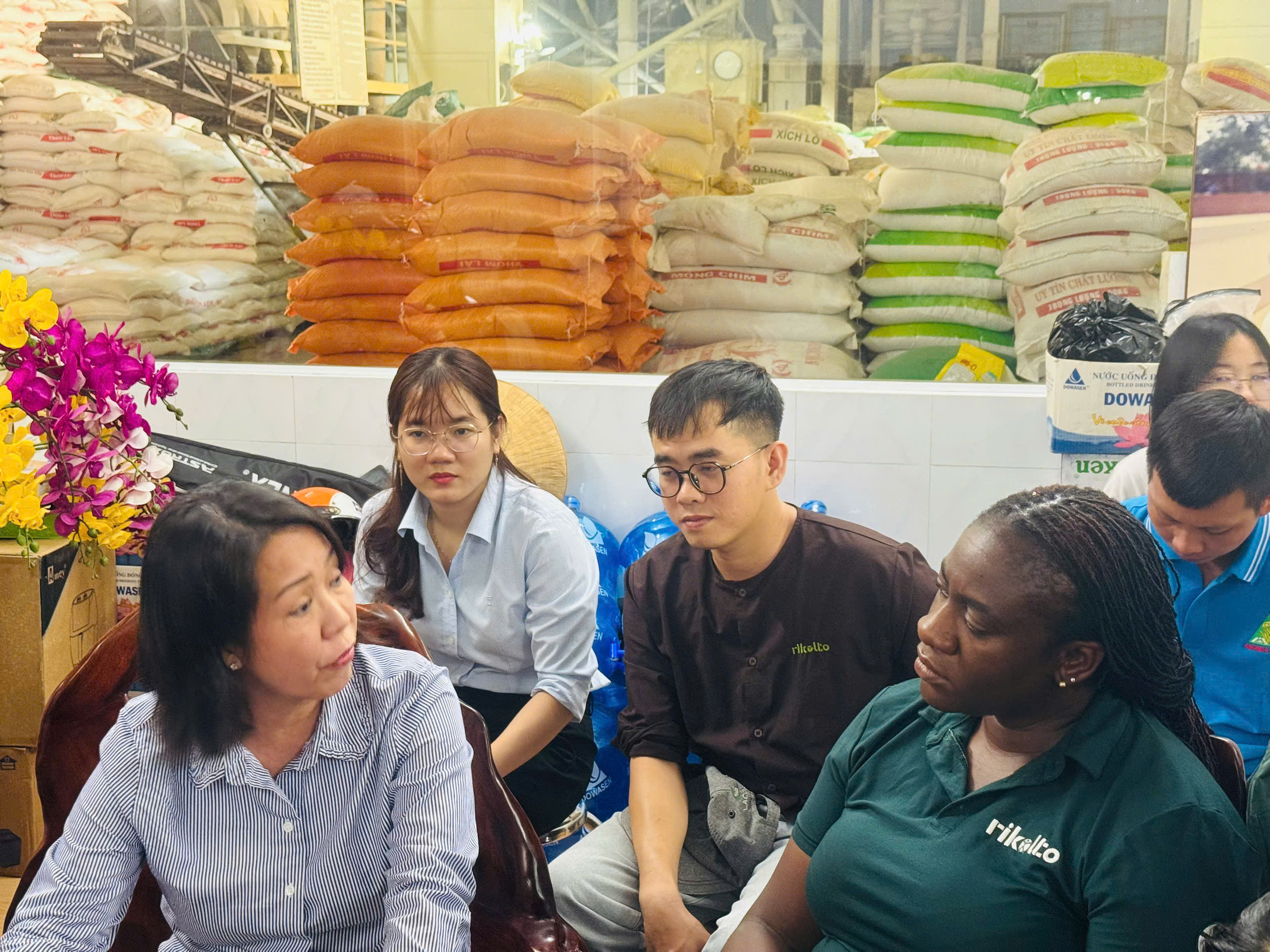
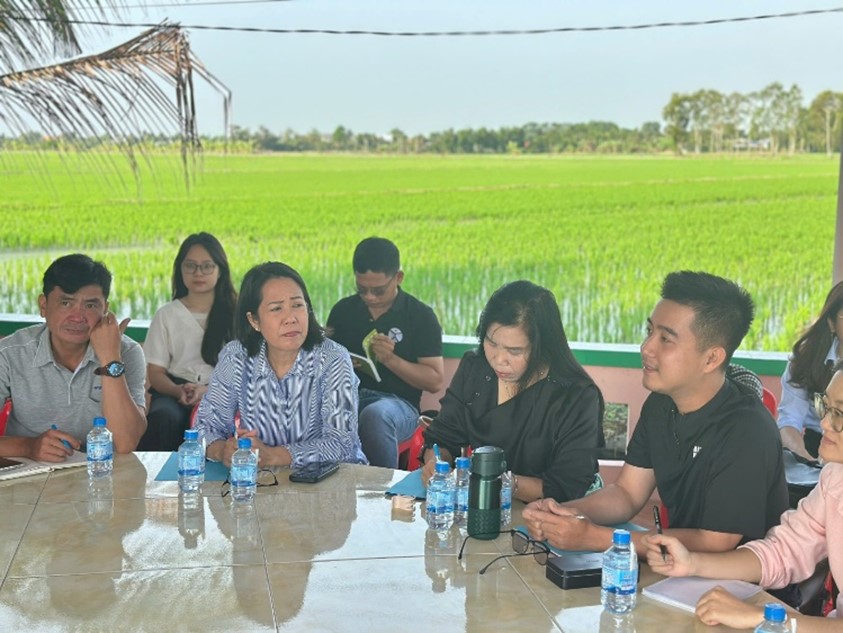
Field visits further translated theory into practice. At Thang Loi Cooperative, participants observed SRP-verified farming practices firsthand, increasing their confidence in sustainable sourcing and collaboration with farmer cooperatives. At Phuc Ven Milling Factory, they explored processing, quality control, and scaling challenges – gaining a clearer understanding of how value is created across the rice value chain.
One of the most significant outcomes of the training was helping companies clarify their strategic direction and translate learning into practical next steps. At the same time, the workshop created space for cooperatives, companies and rice mills – facilitated by Rikolto – to better understand each other’s needs and capacities. This shared understanding lays the foundation for future collaboration, contributing to a more sustainable rice value chain and more stable incomes for farmers.
Ms. Luu Thi Yen Hang, Director of Hong Tan Rice Co., Ltd., shared:
“I was very happy to learn useful knowledge that fits my direction.”
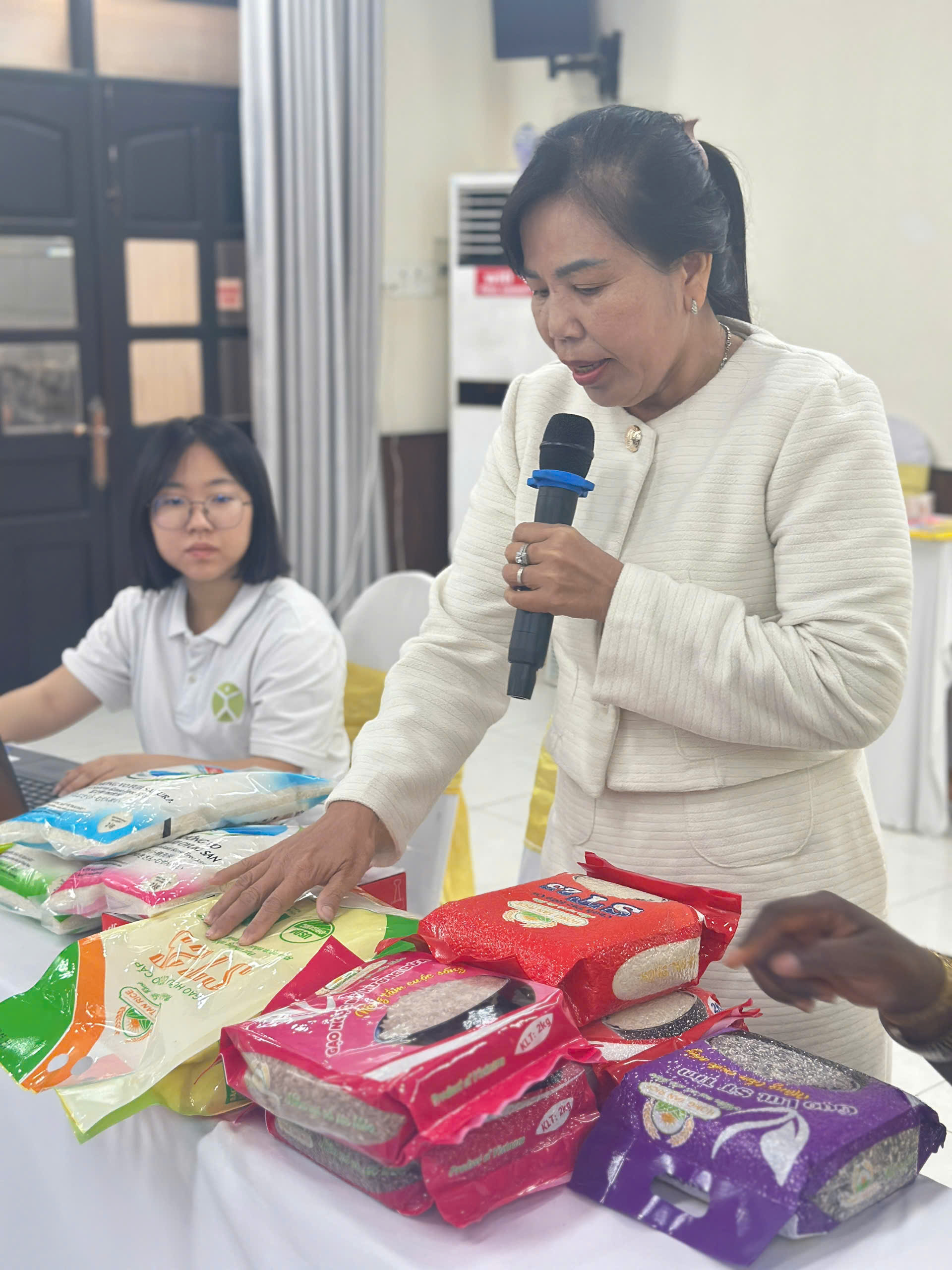

She highlighted the importance of starting from customer needs and better aligning products with market demand. Her visit to Thang Loi Cooperative also strengthened her confidence in sourcing from SRP-verified farmers and building longer-term partnerships.
Following the training, her company plans to expand sourcing from verified cooperatives, further develop the distribution of sustainable rice, and collaborate with Rikolto to promote its health and sustainability value in both domestic and export markets.
Like Hong Tan Rice, Angimex-Kitoku has received support from Rikolto in achieving SRP Chain of Custody (CoC) verification and building partnerships with SRP-verified cooperatives. The company reaffirmed its commitment to advancing sustainable rice and further expanding its presence in the EU market.

“We sincerely thank Rikolto for the opportunity to join this programme. We have gained valuable insights from Johannes and Josephine, and we are committed to taking this forward. Most importantly, we believe that by working together, we will succeed.”
The training reaffirmed Rikolto’s role as a facilitator connecting farmers, cooperatives, and companies to market opportunities. As Johannes noted, Rikolto helps align production with market trends and connect actors across the value chain.
By equipping the private sector with market insights, strategic thinking, and practical tools, the training helps bridge the gap between sustainable production and market success.
As partnerships deepen, the next step is to scale SRP rice through stronger business models, improved market access, and closer collaboration - ensuring that sustainable rice delivers value for companies, farmers, and the entire rice ecosystem in the Mekong Delta.
Echoing this sentiment, Josephine emphasized the importance of collaboration:
“This training was enriching for both the private sector and Rikolto staff. It helped us better understand each other’s perspectives and identify concrete opportunities for cooperation - from production to marketing and market access. This is just the beginning of a long-term journey together.”


.jpg)