
Amid growing concerns over school nutrition and food safety in Vietnam, the training session titled “Nutrition and Food Hygiene Safety, and Guidance on Developing School Meal Menus in Educational Institutions”, organised by the GoodFood@School Project in collaboration with the Culture and Social Affairs Division of Yen Hoa Ward, provided updated and practical information for schools and related stakeholders.
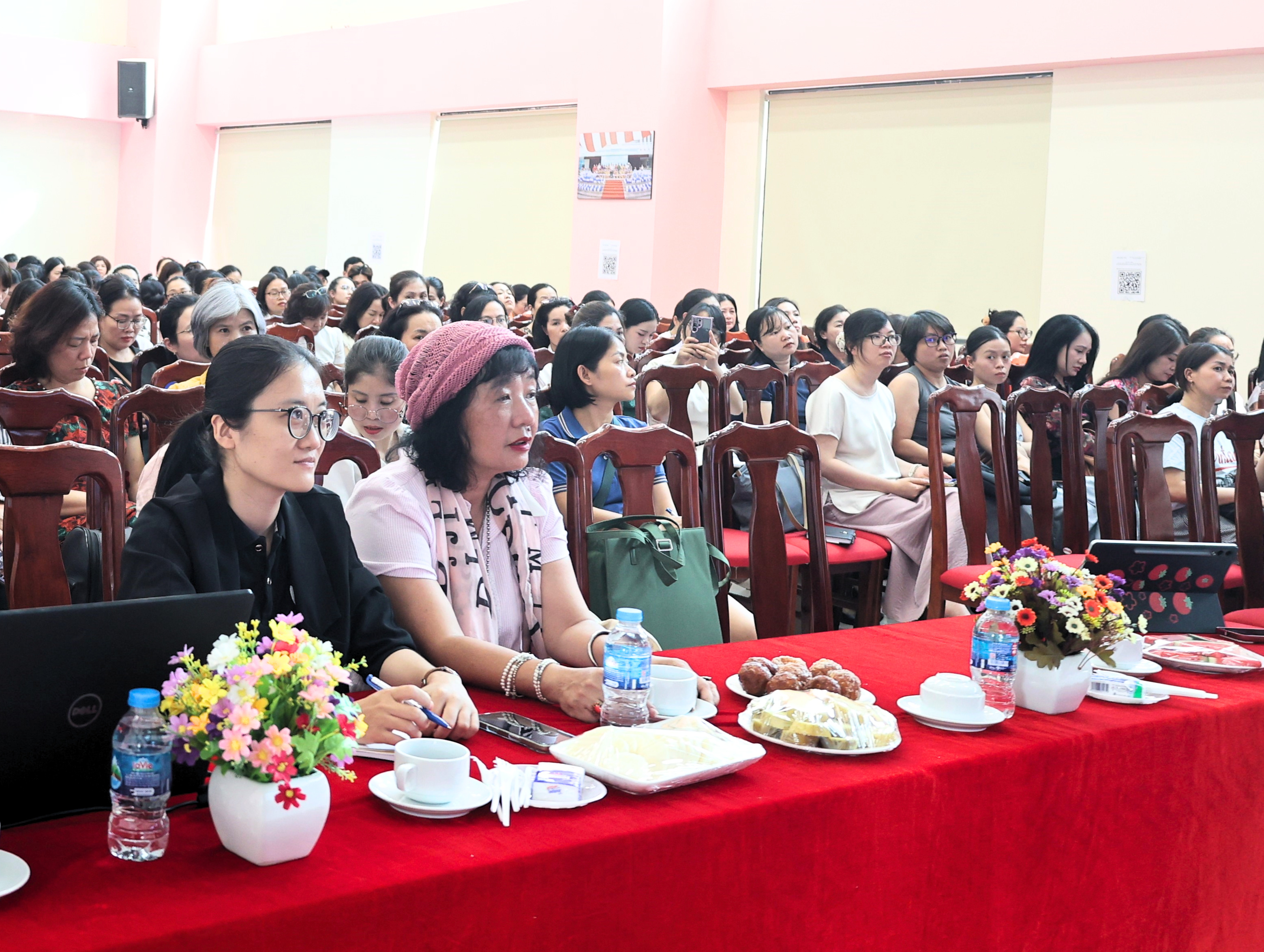
The event took place on 14 May 2026 at the People’s Committee of Yen Hoa Ward (Hanoi), with the participation of 400 delegates from preschools, primary and lower secondary schools, educational administrators, boarding kitchen staff, and experts in nutrition and food safety.
The training session was held in the context of Hanoi’s implementation of the 2026 “Month of Action for Food Safety” campaign (15 April – 15 May 2026), under Plan No.153/KH-UBND issued by the Hanoi People’s Committee. This key campaign aims to strengthen inspections of collective kitchens, enhance the capacity to prevent food poisoning, and promote food safety communication within school communities. At the same time, the campaign emphasises the importance of coordination among authorities, schools, parents, and communities in monitoring food supply chains, moving towards a more transparent and accountable system.
One of the highlights of the training session was the presentation by Associate Professor Dr Bui Thi Nhung, a nutrition expert who shared notable data on the “double burden” of malnutrition among Vietnamese children today. According to data from the National Nutrition Surveys (National Institute of Nutrition, 2010; 2020), the overweight and obesity rate among children aged 5-19 in Vietnam increased from 8.5% to 19.0% within just one decade, with particularly rapid growth in urban areas. This situation clearly reflects the “double burden” of malnutrition, where children face both excessive energy intake and deficiencies in essential micronutrients necessary for physical and cognitive development.
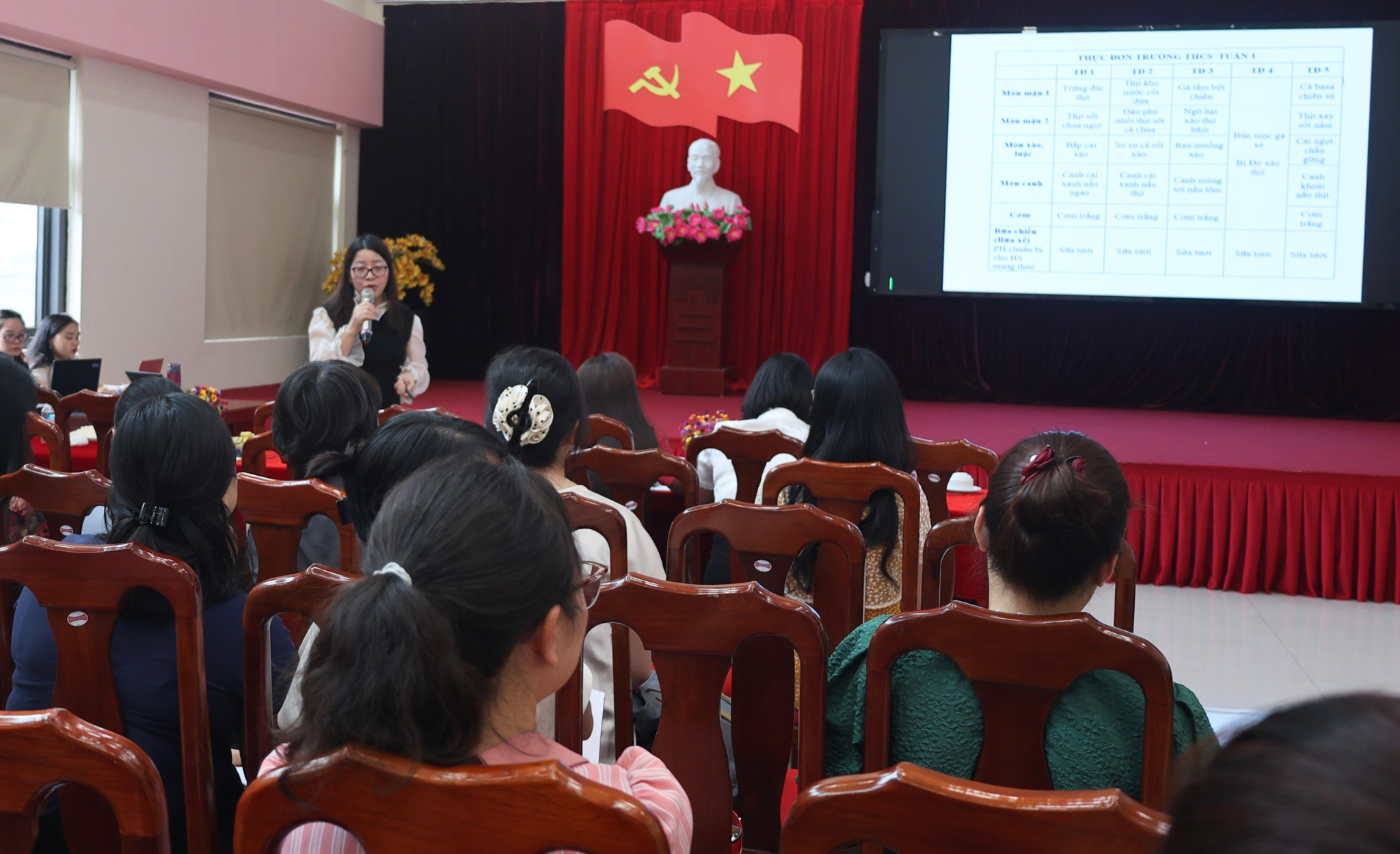
This reality highlights the urgent need to develop more balanced, scientific, and age-appropriate school meal menus. At the same time, for nutritionally balanced menus to be implemented effectively, coordinated activities in guidance, education, practice, and communication tailored to different target groups and stakeholders are essential. These are also key areas that require continued attention and further promotion in the coming period.
During the training session, experts introduced important principles for menu development, including combining diverse protein sources from both animal and plant-based foods, increasing the use of colourful vegetables, limiting processed foods, and appropriately controlling salt and sugar intake in students’ diets.
Within the framework of the project, a set of nutritionally balanced menus and guidance materials has been developed and piloted in several lower secondary schools in Cau Giay, Yen Hoa, and Nghia Do wards, initially receiving positive feedback from educational institutions.
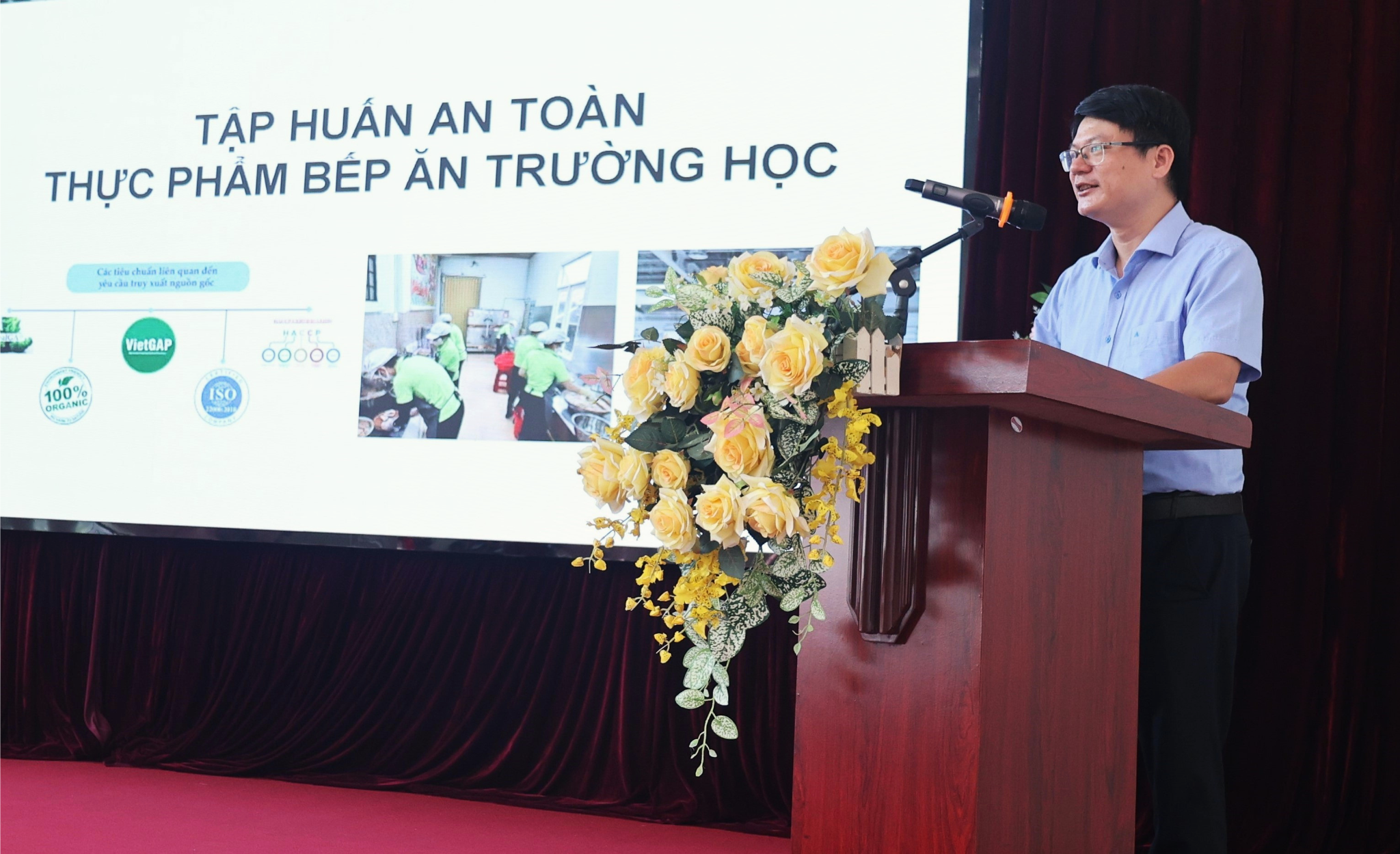
Alongside the nutrition component, the presentation on food safety by Dr Luu Quoc Toan also attracted considerable attention, particularly regarding the situation of food poisoning in Vietnam during the 2019-2024 period. The session additionally updated participants on new regulations and guidelines from Hanoi’s education and health sectors concerning the organisation of safe school meals.
One of the key highlights was Official Dispatch No. 1816/SGDDT-CTTT-HSSV, which provides detailed guidance on the process for organising semi-boarding meals for students. The process consists of 10 steps, ranging from planning, selecting meal providers, establishing a semi-boarding meal management board, developing menus, preparing facilities, organising food reception, processing and portioning, to inspection, supervision, and response procedures in suspected food poisoning cases.
The organisation of consecutive interdisciplinary training activities, together with cooperation among schools, parents, and meal providers, is contributing to a more comprehensive approach to improving the quality of school meals in Hanoi.
Previously, on the afternoon of 24 April 2026, a similar training session was held at the People’s Committee of Cau Giay Ward (Hanoi), attracting more than 250 representatives from educational institutions and meal service providers in the area. The session emphasised the importance of stakeholder collaboration in enhancing school meal quality and promoting healthy nutrition practices among students.
In the coming period, the next training session will be organised in Nghia Do Ward, continuing to promote good practices in school nutrition and contributing towards safer, healthier, and more sustainable school environments for children.


.jpg)