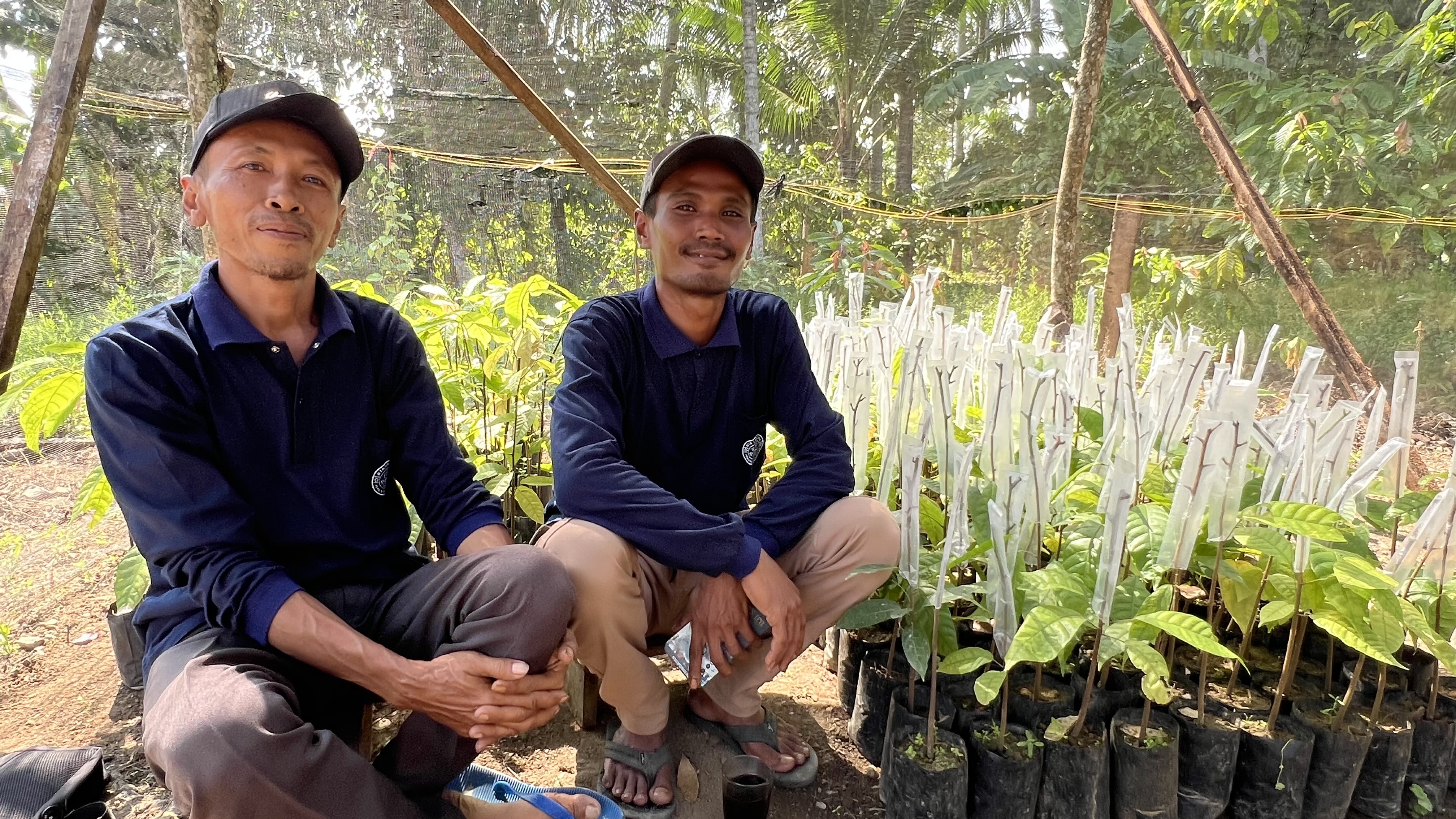
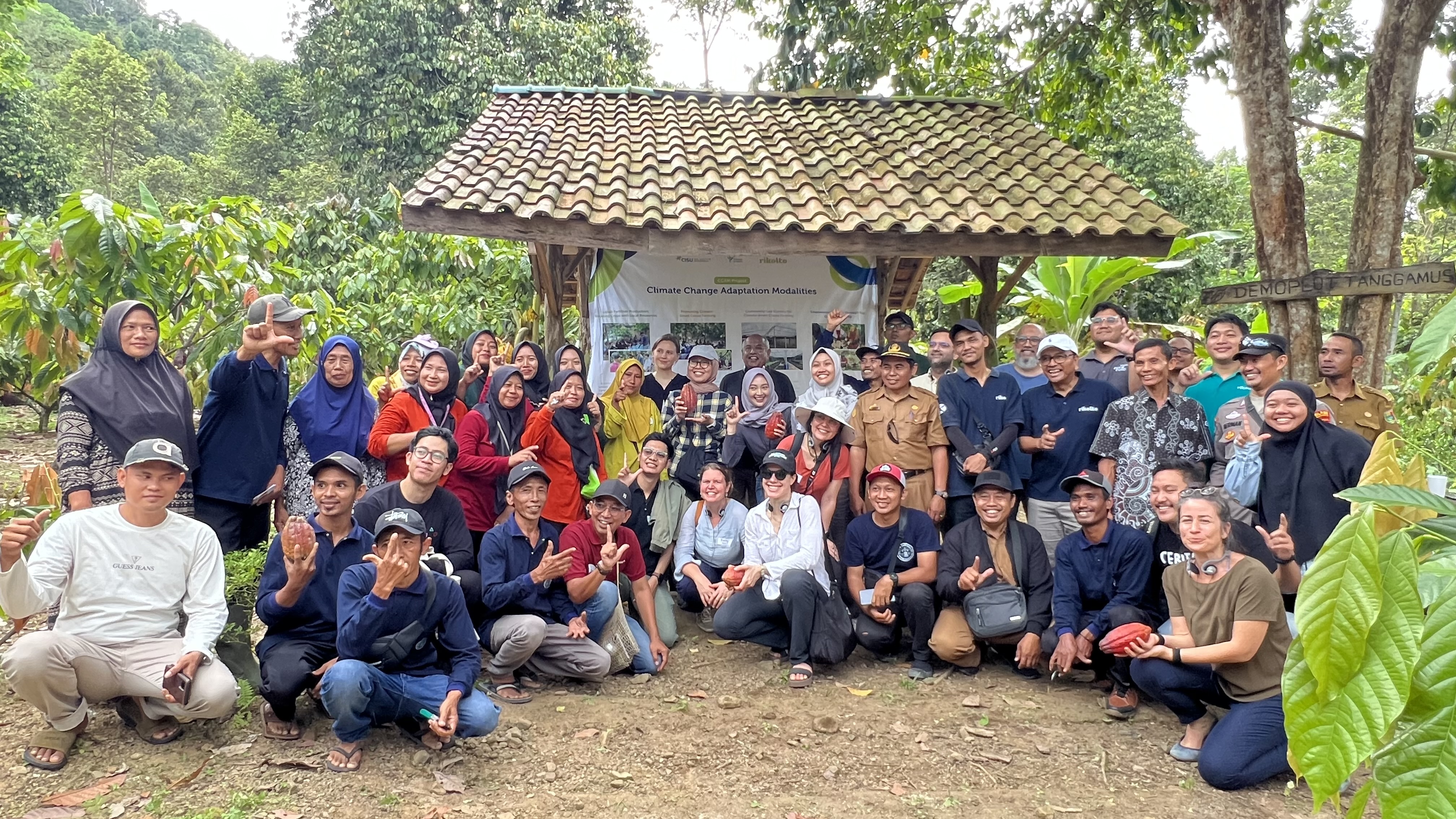
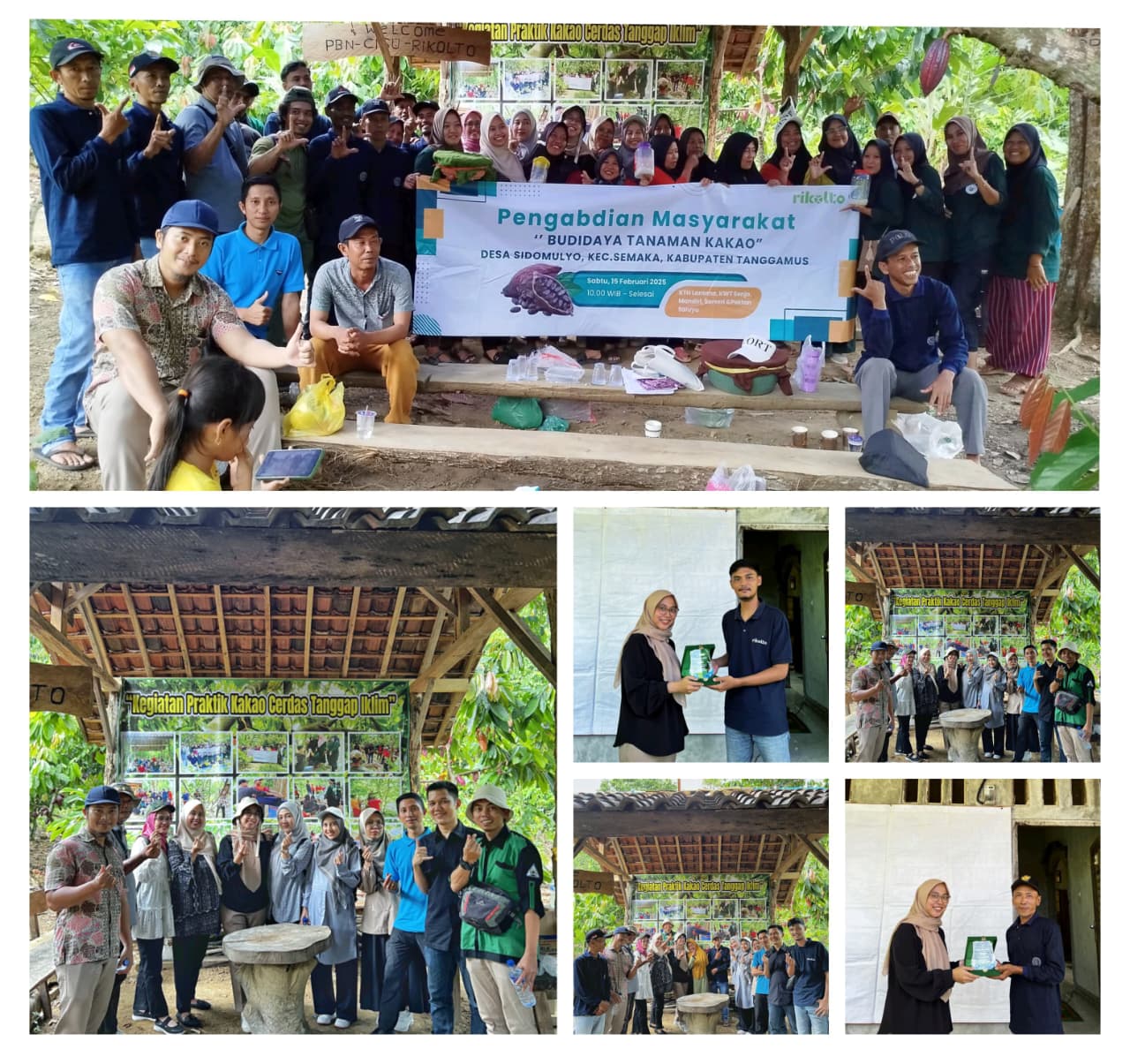
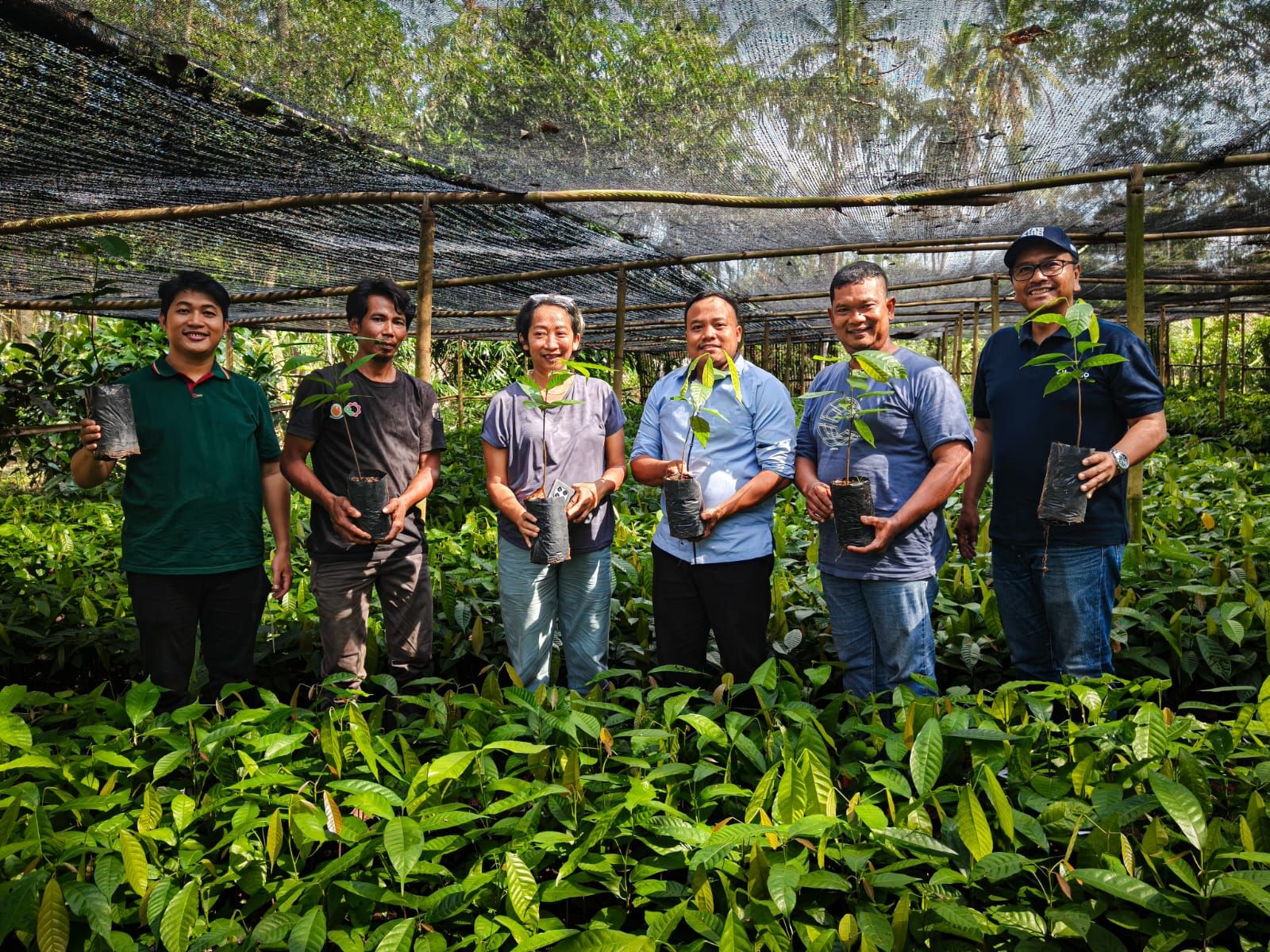
The Climate-Smart Cocoa Farming among Smallholders for Ecosystem-Based Adaptation (CCAM) project aims to improve community welfare, particularly for farmers, by introducing climate-smart agroforestry practices that support local ecosystems. CCAM also opens up economic opportunities for women and young people in agriculture and plantation sectors. Funded by CISU and implemented by Rikolto together with Preferred by Nature (PbN), we work with 3,300 cocoa farmers and 500 women and young people in Lampung.
Indonesia is the World’s sixth-largest producer of cocoa beans with up to 90% of cocoa production coming from smallholders (~2 ha farms) and providing livelihoods for 1.6 million households. A growing market for cocoa (3-4%) provides opportunity to improve farmers’ livelihoods, but also poses a risk of reinforcing a negative spiral causing further deforestation, degradation and subsequent adverse local climate change impacts.
The Tanggamus Regency is the highest cacao producing area in Lampung. The total cocoa area is 78,701 ha, total production is 56,671 ton/year (= 0.73 ton/ha/year), all from smallholder farms. Data from the Plantation Office of Lampung Province (2016) states the number of smallholder plantation farmers for all types of commodities in Lampung as 877,056, and total number of smallholder cocoa farmers as 116,259 households (potential target group). Cocoa planting began in Lampung Province in the 1980s as an alternative to coffee, which at that time experienced crop failure. Cocoa beans have now become one of the region's leading export commodities. Unfortunately, productivity of cocoa in this area is still low.
Low productivity is caused by several factors. In general, cocoa plantations in Tanggamus are based on traditional household plantations dominated by the ‘mixed crop plantation scheme’, where cocoa plants are planted with other crops (not trees), which is not optimal, both in terms of seed sources (varieties), planting design, cultivation practices and post-harvest management capacity. Another factor is the age of the cocoa plants in Tanggamus; most plant are over 15 years old and productivity per plant is on the decrease. This is exacerbated by pest and disease attacks coupled with low technical and financial capacity of farmers to practice good pest and disease management on their farms. Rejuvenation of old trees is perceived – opposed to documented best practice – as an expensive and counterproductive process. So, cocoa farmers tend to clear new land, replant cocoa on the new land, rather than rejuvenating old cocoa trees that are still yielding.
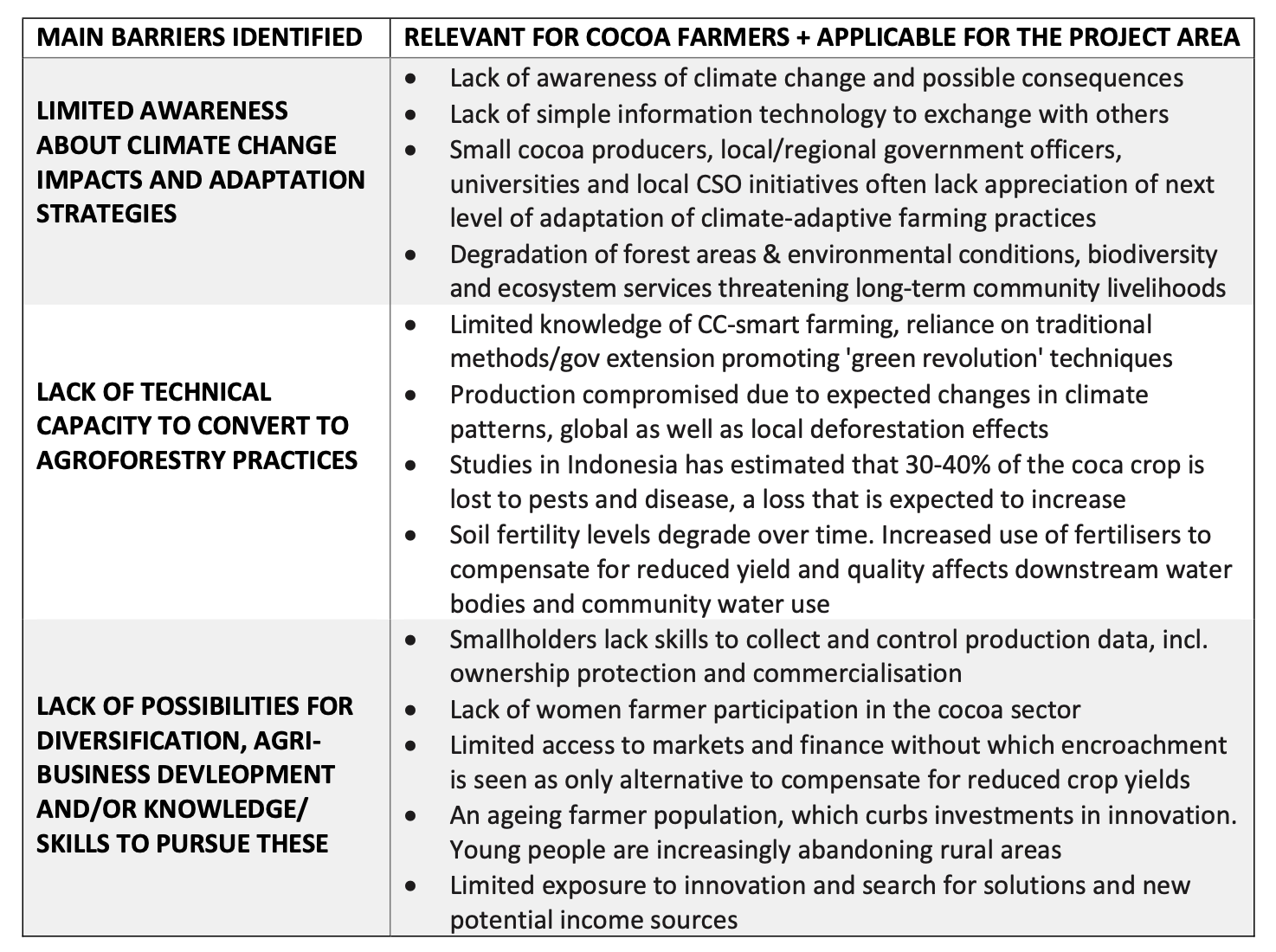

The intervention aims to promote an evidence-based, landscape-level approach to climate change adaptation that helps poor cocoa farming communities in the buffer zone of Bukit Barisan Selatan National Park, Lampung Province, adapt to climate impacts. This is achieved through agroforestry and climate-smart farming practices, combined with income diversification and capacity building, and supported by a long-term enabling environment that strengthens resilience across the wider landscape.
The proposed intervention is designed to achieve three main outcomes:
1. Stronger evidence-based advocacy within the Cocoa Sustainability Partnership (CSP), leading to increased investment in agroforestry and local ecosystems to support climate change adaptation in cocoa production across the landscape.
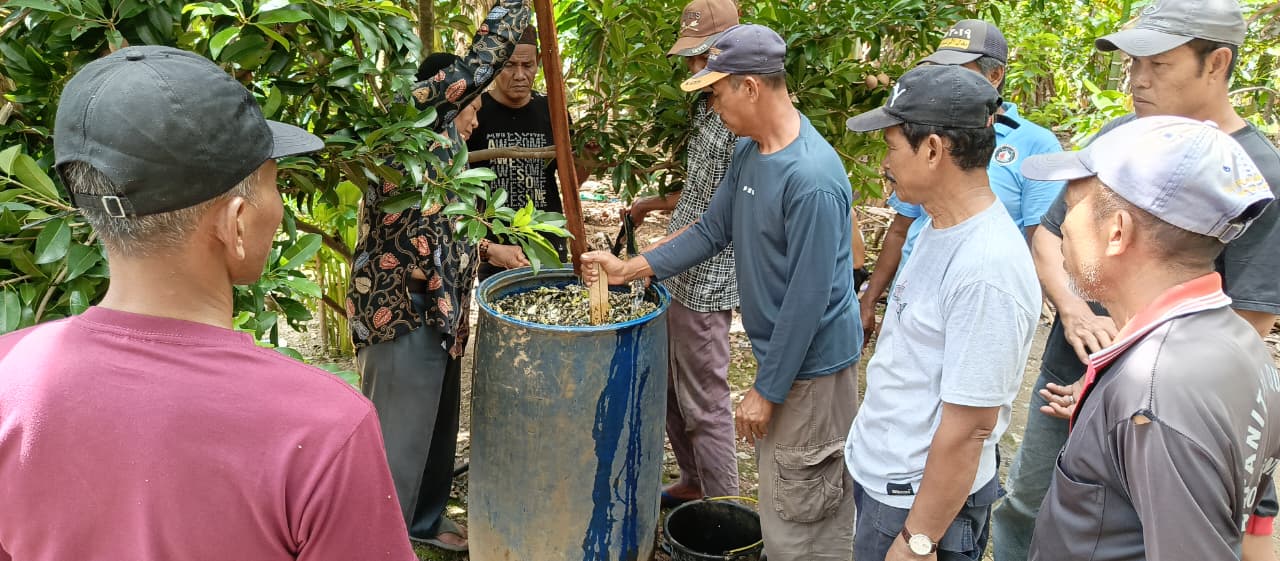
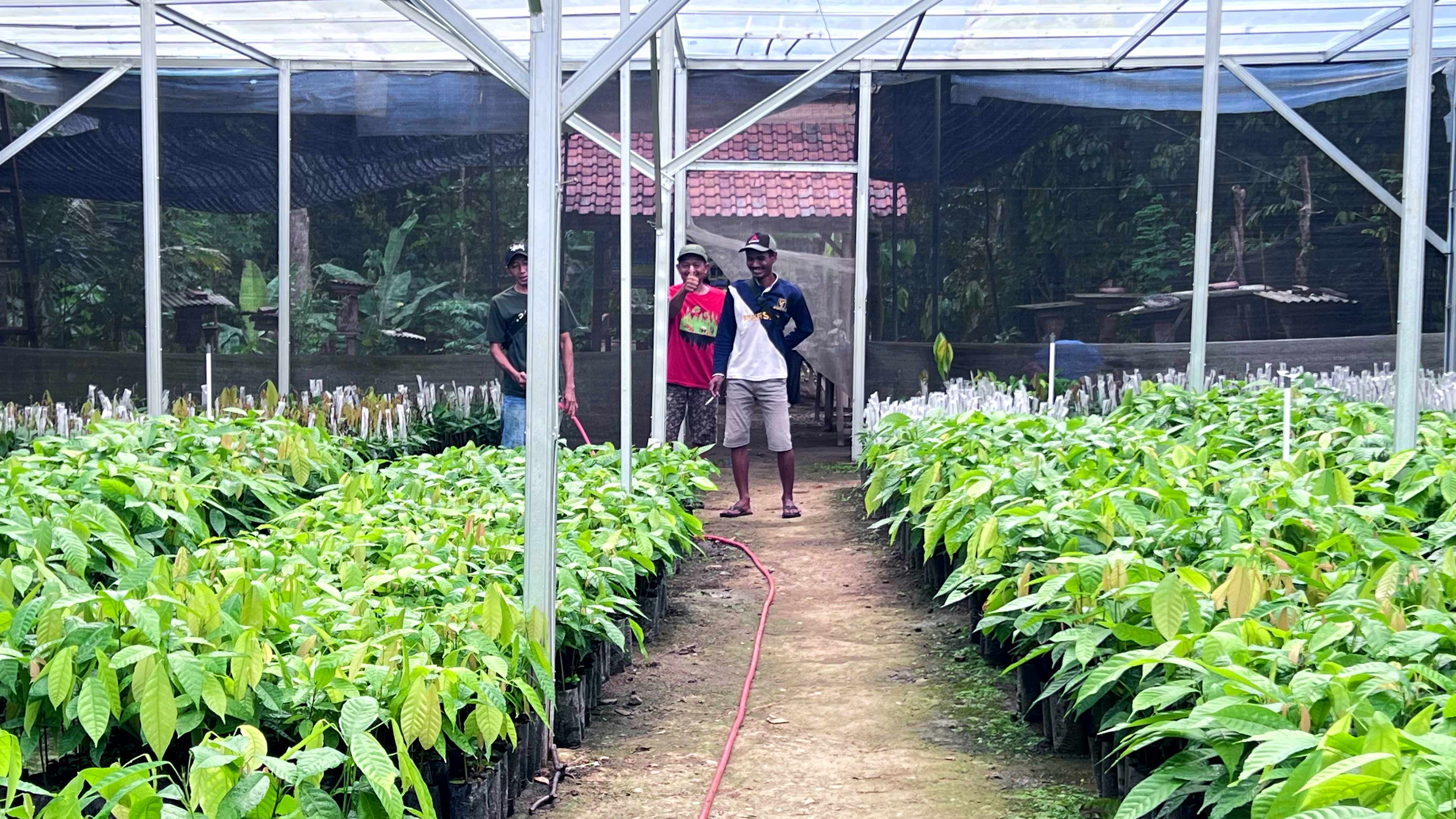
2. Improved livelihoods for cocoa farmers, resulting from on-farm climate change adaptation measures, particularly through agroforestry practices.
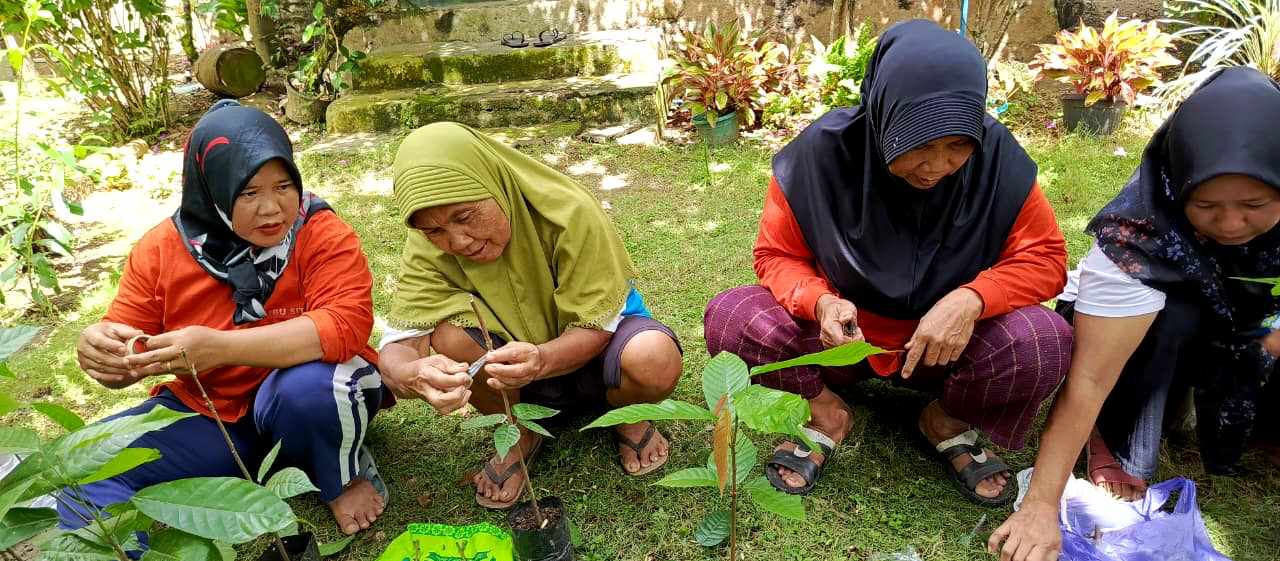
3. New income opportunities for women and youth, generated through climate adaptation measures that are not dependent on direct access to land.





.jpeg)