The Sustainable Food Production for Healthy School Food Procurement project aims to address critical urban food system vulnerabilities and child nutrition challenges in Indonesia. By strengthening the connections between smallholder farmers practising regenerative agriculture and school food procurement systems. By developing inclusive, climate-smart business models and empowering local farmer cooperatives to serve as aggregators, the initiative will enhance farmer livelihoods while ensuring schoolchildren—especially in urban and peri-urban areas—have access to healthy, safe, and locally sourced meals.
Indonesia is experiencing a rapid transition from a predominantly rural economy to a highly urbanized one, with cities growing at an average annual rate of 4.1%—faster than many other countries in Asia (World Bank, 2016). While this transformation fuels economic growth, it also places severe pressure on urban food systems. Key challenges include shrinking agricultural land near cities, increased food dependency on distant supply chains, deteriorating air and water quality, inefficient waste management, and heightened greenhouse gas emissions. These vulnerabilities are magnified by climate change, market disruptions, and socio-political instability, which collectively threaten the resilience and sustainability of food systems—particularly in urban and peri-urban areas.

Sustainable Food Production for Healthy School Food Procurement, directly addresses these multi-dimensional problems by creating inclusive, regenerative, and climate-smart food systems that connect smallholder farmers to institutional markets, especially schools. It aims to strengthen food sovereignty, empower women-led enterprises, restore degraded ecosystems, and improve children’s access to safe, nutritious meals.
The project offers a solution by co-developing and piloting inclusive business models that link farmer cooperatives/groups to school food programs, using regenerative agriculture as the production base.
Through partnerships with cooperatives/farmer groups surrounding Surakarta, Denpasar and Depok city, the project will build aggregation to regularly supply sustainable food to schools and/or central kitchens for the MBG (nutritious free school meal) initiative.
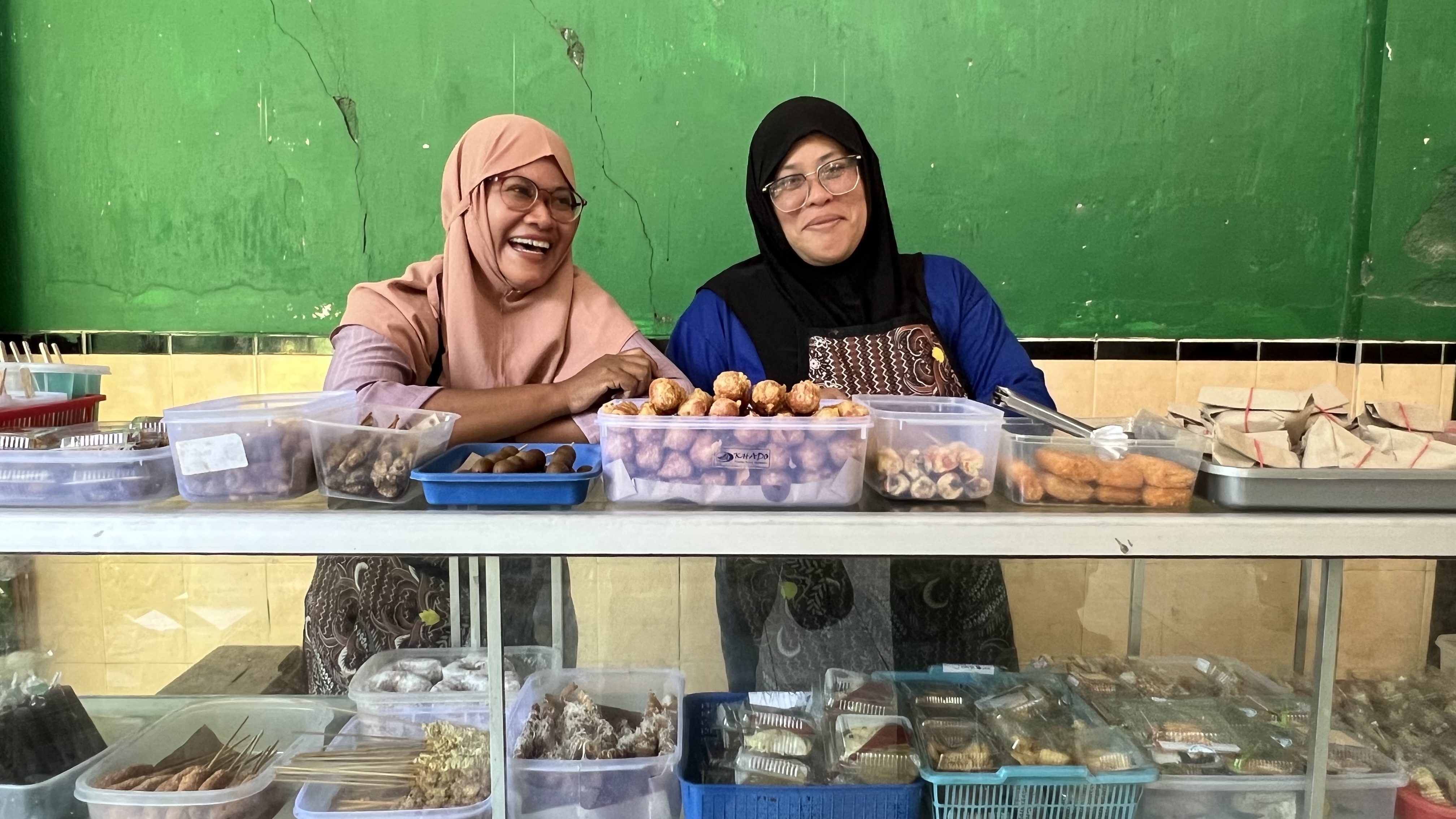
In collaboration with our partners —Indonesia Berseru (Depok), Gita Pertiwi (Surakarta), PPLH Bali, and Pasar Rakyat Bali—will facilitate training, run demonstration plots, and pilot the inclusive procurement model in their respective cities. Women-led school canteen managers, a key beneficiary group, will be supported with training to strengthen food handling, procurement efficiency, and business viability.
With The Rockefeller Foundation’s support, this project offers a scalable model for healthy, climate-smart school meals across Indonesia. Rikolto’s project offers a solution to build urban food resilience, improve public health, and empower marginalized food system actors—especially women through sustainable procurement, regenerative production, and inclusive business models.
.jpeg)
.jpeg)
.jpeg)
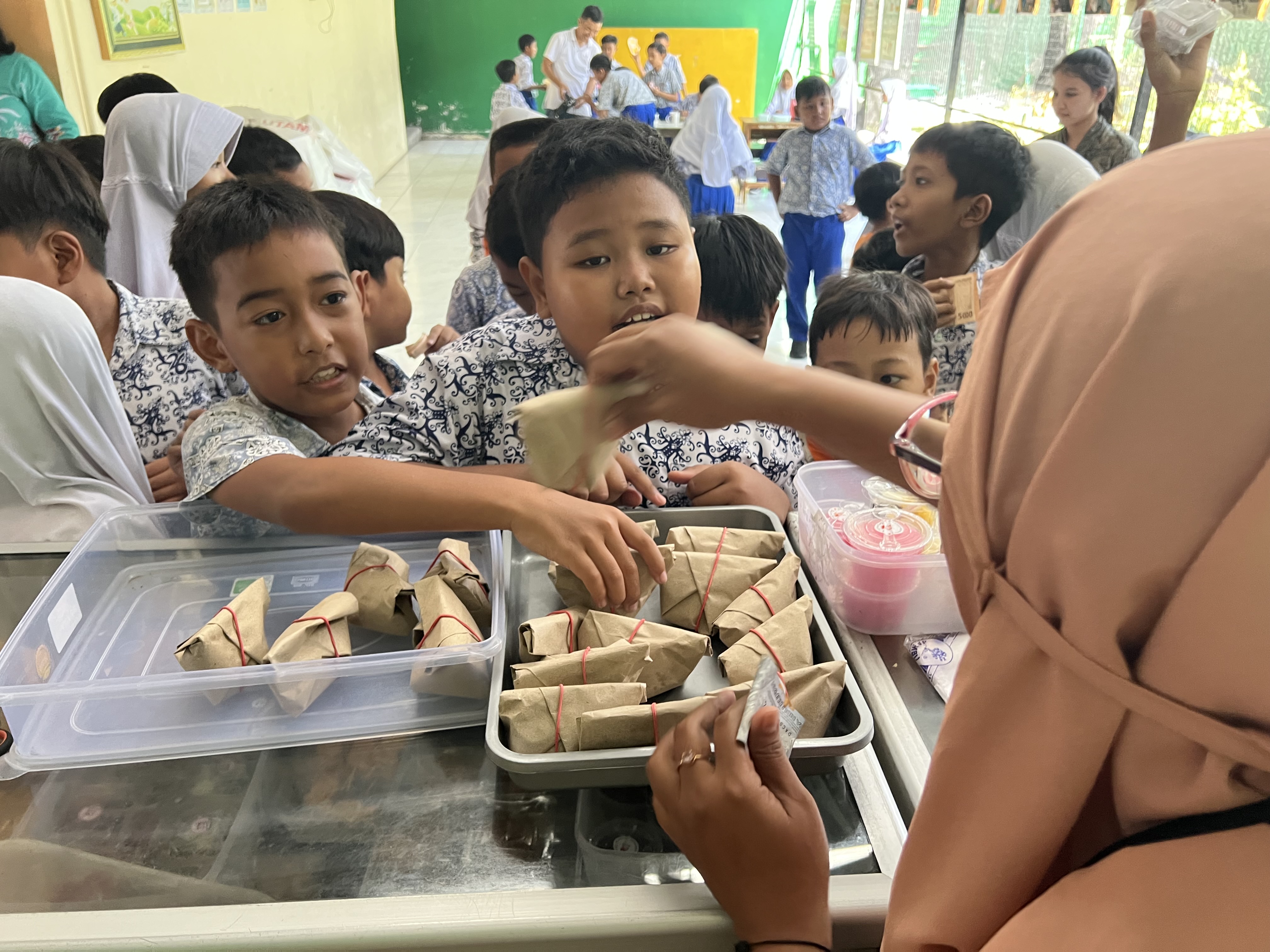
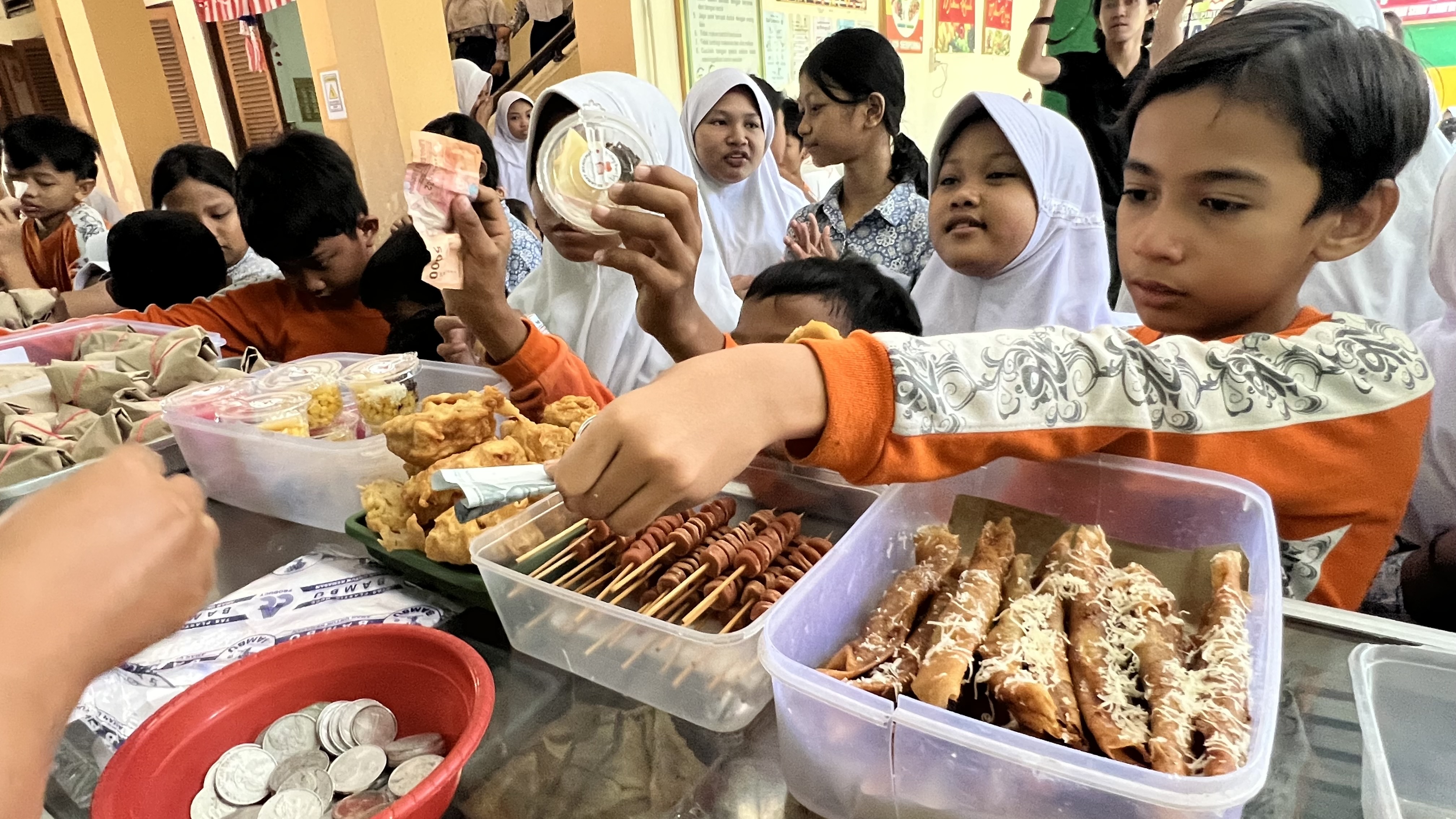
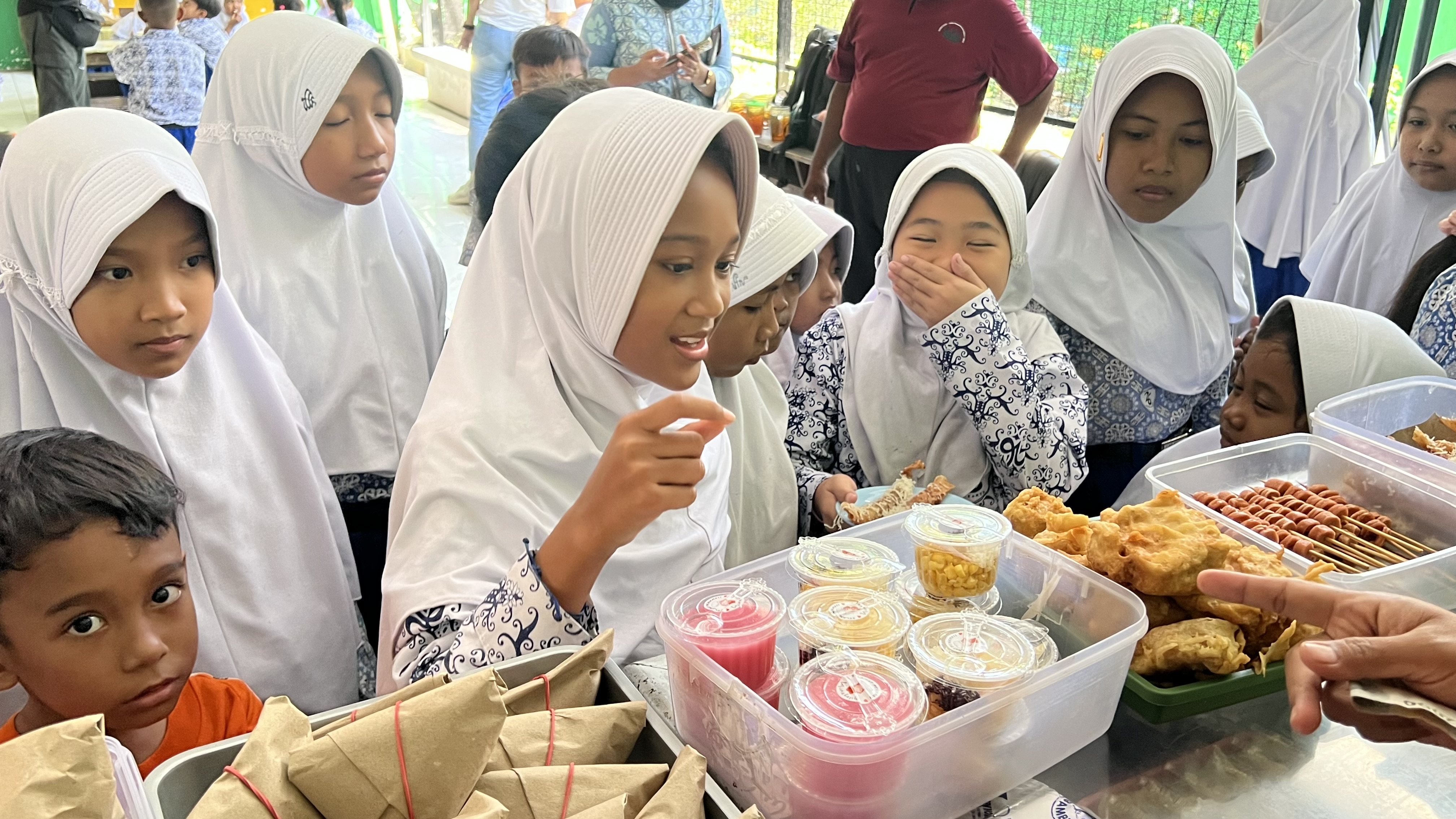
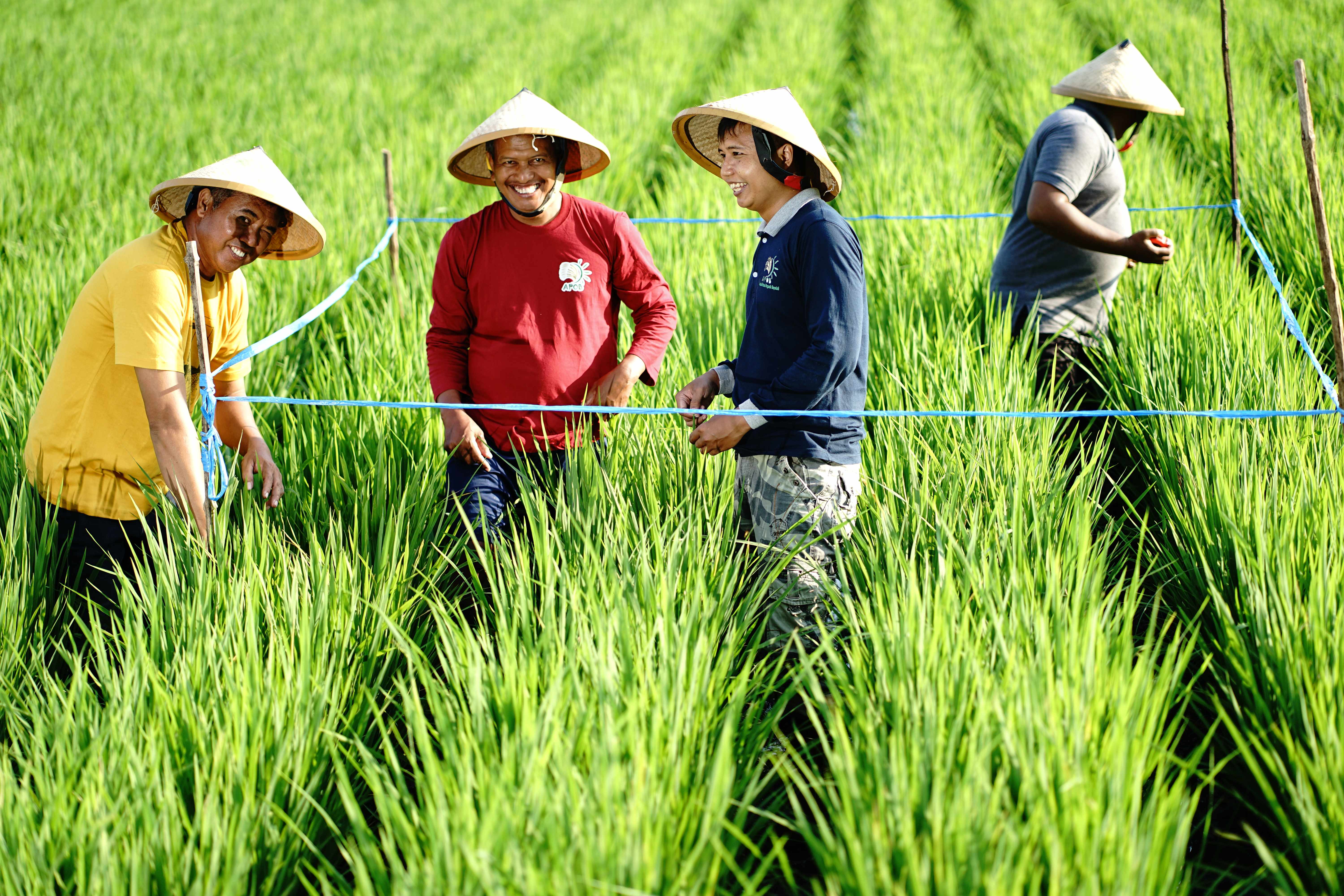
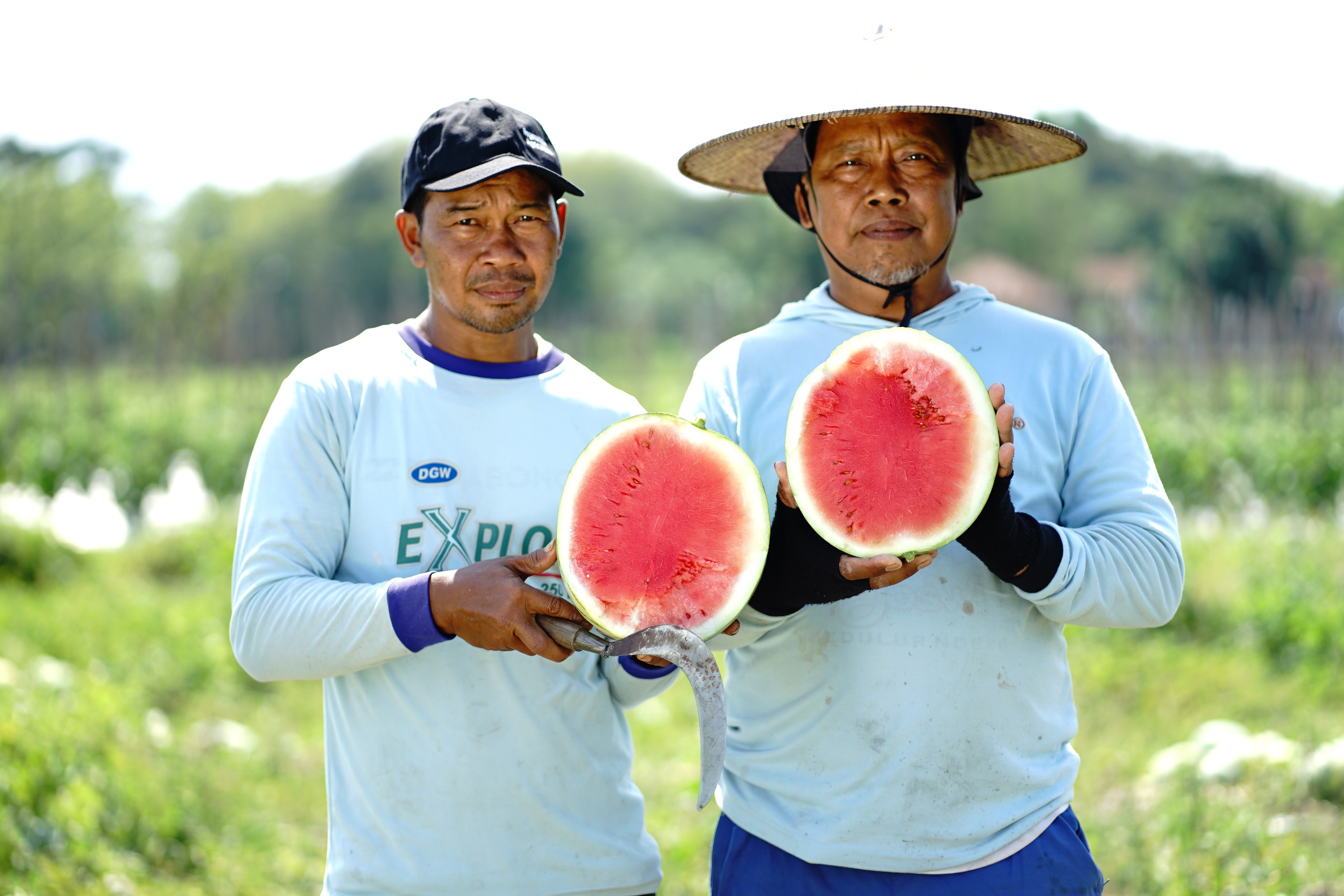
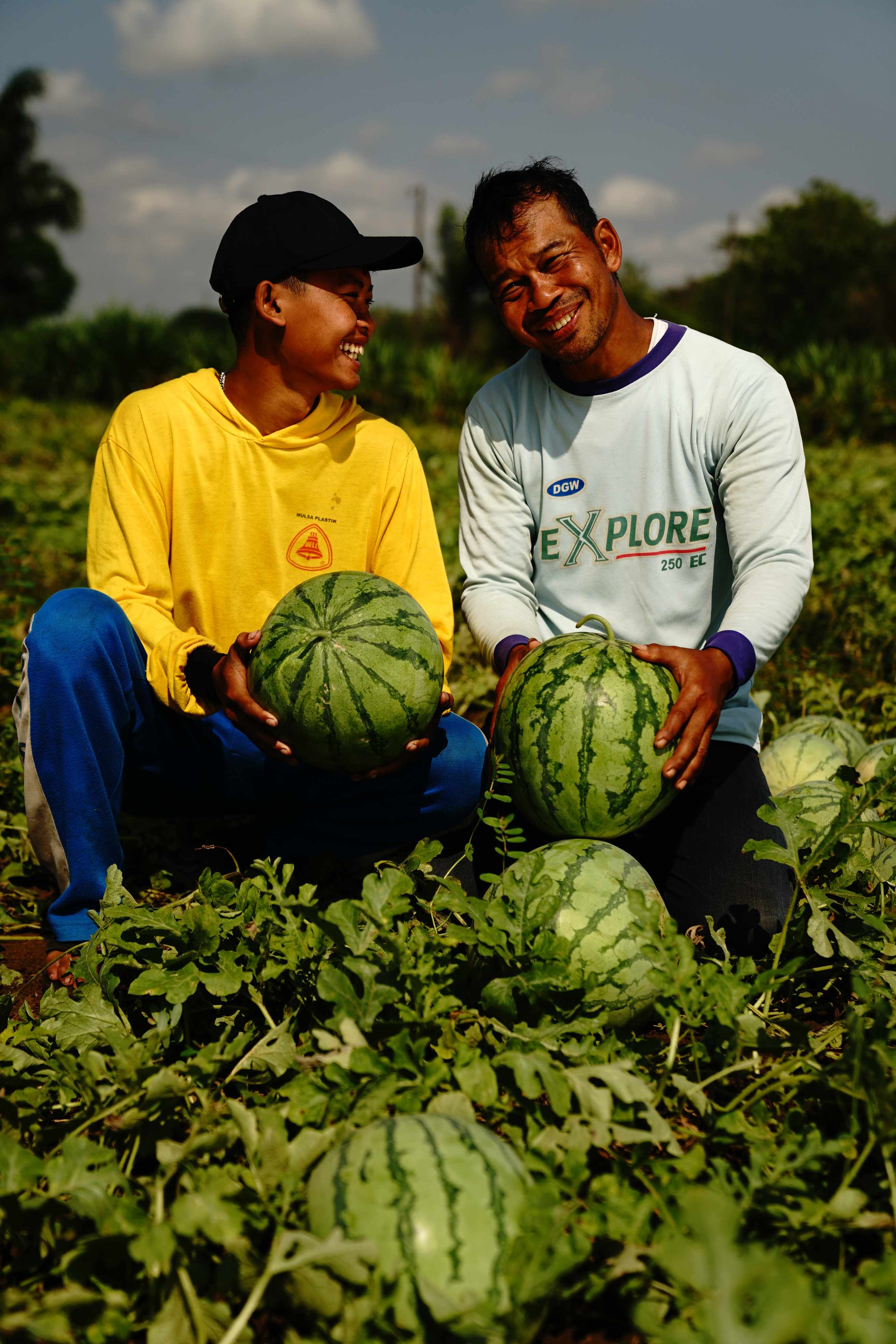
This project aims to strengthen resilient livelihoods and food supply systems by promoting regenerative agriculture and inclusive business models, particularly in school-linked food environments. It targets small-scale farmers—especially women in urban, peri-urban, and rural areas—by enhancing their knowledge and skills in regenerative farming. The goal is to increase their income and climate resilience. The outcome will be measured by the percentage of farmers reporting sustained income, adoption of regenerative practices, and improved climate-adaptive capacity and increase in market inclusion.
The initiative directly benefits at least 2000 school children by improving their access to healthy, sustainable, and nutritious meals.
Farmer cooperatives will benefit from improved market access through short food supply chains, with the project supporting aggregation and distribution mechanisms to increase the volume of regenerative products sold to at least 10 school canteens and markets. At least 30 women-led school canteen businesses will also benefit from targeted capacity-building to improve food safety, procurement efficiency, and entrepreneurship.